A low quote means little if tape lifts, film tears, or rolls vary between shipments. A precise specification turns bulk buying into a controlled decision.
B2B buyers should define the film material, thickness, width, length, folding method, tape type, adhesion level, temperature exposure, packaging, and inspection standard before ordering pre-taped masking film. Buyers should then approve production samples and compare suppliers against the same written specification.
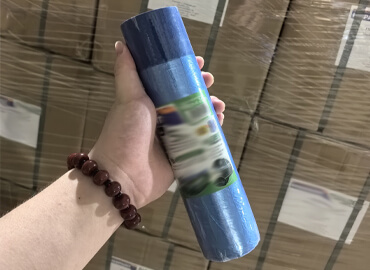
Two rolls can look similar in a catalog and behave very differently in a workshop. The questions below help buyers turn a general request into a specification a supplier can actually control.
Which Pre-Taped Masking Film Specifications Should Buyers Confirm?
A vague inquiry invites vague quotations. When suppliers assume different materials, roll sizes, or tape performance, the cheapest offer may not be comparable at all.
Buyers should confirm the film resin, film thickness, usable unfolded width, roll length, folding method, tape width, tape adhesion, color, core size, pack quantity, carton strength, label format, and allowed tolerances. Each item should appear on the quotation and approved sample.
Build one specification sheet for every supplier
We suggest starting with the end user and working backward. A distributor serving automotive refinish shops may need a different tape and film combination from a hardware chain serving wall painters. The intended surface, application time, removal time, paint system, workshop temperature, and selling format all affect the correct specification.
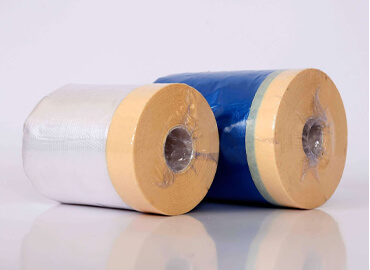
Do not compare only the printed roll dimensions. Ask whether the width is measured before or after folding. Confirm whether the quoted length is nominal or guaranteed within an agreed tolerance. Ask how tightly the roll is wound and how the folded film opens. Loose rolls take more carton space and may look poor on a retail shelf. Uneven folding can also slow the user during application.
Our pre-taped masking film options include different roll lengths, film colors, tape colors, adhesion levels, and private-label packaging formats. A buyer should still place the final requirements in one signed specification table.
| Specification item | What the buyer should define | Why it affects the order |
|---|---|---|
| Film | Resin type, thickness, color, and treatment | Affects strength, cling, unfolding, and paint behavior |
| Roll | Unfolded width, length, fold style, and core | Affects coverage, use speed, carton size, and presentation |
| Tape | Backing, width, tack level, and removal window | Affects holding power, residue risk, and paint edges |
| Packaging | Units per bag, rolls per carton, label, and barcode | Affects freight, warehouse handling, and resale |
| Tolerance | Accepted variation for width, length, and appearance | Makes inspection measurable instead of subjective |
How Should Buyers Match Tape and Film to the Paint Process?
A product can pass a simple room-temperature test and still fail during a bake cycle, humid storage period, or solvent-heavy refinishing job.
Buyers should match both the tape and the film to the actual surface, paint system, application temperature, peak bake temperature, exposure time, and removal conditions. Heat resistance must apply to the complete combination, not only one component.
Treat temperature as a time-and-system requirement
“High temperature” is not a complete specification. A useful requirement includes both temperature and time. It should also state whether the value applies to the film, tape backing, adhesive, or complete pre-taped roll. The weakest component can determine the result.
Published industrial products show why this distinction matters. 3M High Temperature Paint Masking Film 7302 lists performance up to 320°F/160°C for 45 minutes. 3M Ultra High Temperature Paint Masking Film 7305 lists performance up to 350°F/180°C for one hour. By comparison, 3M Performance Green Masking Tape 233+ lists resistance up to 250°F/121°C for 30 minutes. These are examples from specific 3M products, not performance claims for every masking film or tape.
A buyer should ask each supplier for the documented limit of the exact proposed combination. The sample should then be tested under the buyer’s real cycle. Apply it to representative metal, glass, plastic, rubber, or painted panels. Use the actual waterborne or solvent-based coating when possible. Check edge lift, adhesive transfer, film softening, paint bleed-through, and flaking after removal. This process is more useful than relying on a generic label.
What Quality Checks Reduce Risk Before a Bulk Shipment?
A good pre-production sample does not protect the buyer if production rolls change. Buyers need simple checks that can be repeated during and after manufacturing.
A practical inspection plan should verify incoming materials, first-off samples, roll dimensions, film unfolding, tape alignment, adhesion, clean removal, winding, appearance, packaging, and batch consistency. Buyers should define the sampling method and acceptance limits before production begins.
Convert common complaints into inspection points
We often see procurement problems begin with words such as “strong enough,” “easy to open,” or “good packaging.” These phrases sound clear, but two inspectors may interpret them differently. A better purchase specification turns each phrase into a visible check or measured range.
For example, the inspector can measure unfolded width and roll length against the approved tolerance. The inspector can unfold selected rolls fully and record tearing, blocking, or uneven folds. The tape edge can be checked for straight placement and wrinkles. Adhesion and removal can be tested on agreed reference surfaces after a defined dwell time. The carton check can include dimensions, gross weight, print position, barcode scanning, sealing, and compression condition.
Our selection and quality-control team starts with the buyer’s requirements, then follows raw material selection, sample confirmation, production checks, and finished-product review. Buyers should ask any supplier to explain the same checkpoints in plain terms.
| Stage | Suggested check | Evidence to request |
|---|---|---|
| Before production | Material and packaging match the approved sample | Material record, artwork approval, and signed sample |
| Start of production | Width, length, folding, tape position, and appearance | First-off inspection record and photos |
| During production | Consistency across rolls and cartons | Sampling record by batch or production period |
| Before shipment | Function, quantity, labeling, carton, and loading condition | Final inspection report, packing list, and loading photos |
| After delivery | Complaint traceability and retained sample | Batch code and agreed corrective-action process |
Quality control should protect repeat orders, not only the first container. Ask whether the supplier can identify the batch used for a complaint and whether a retained sample is available for comparison. Traceability makes a quality discussion faster and more factual.
How Can Buyers Compare Supplier Quotes Fairly?
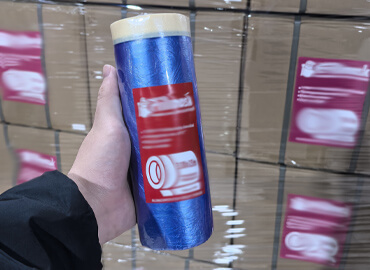
A lower price can hide a shorter roll, thinner film, weaker carton, different tape, or fewer units per shipment. Unit price alone does not show delivered value.
Buyers should normalize every quote to the same approved specification, usable coverage, packing quantity, trade term, and quality requirement. They should also include sample cost, tooling, artwork, freight, inspection, payment terms, expected waste, and complaint handling.
Compare the cost of usable product
Start by converting offers to one common unit. Depending on the market, that unit may be cost per roll, per square meter of usable film, per carton, or per pallet. Use the unfolded width and verified length, not only the product name. Confirm how many sellable units fit in each carton and how many cartons fit in a shipment.
Then separate one-time costs from repeat-order costs. Printing plates, label design, retail boxes, sample delivery, and barcode setup may apply only at the start. Freight can change when one supplier uses loose rolls or oversized cartons. A small saving at the factory can disappear if fewer rolls fit in a container.
The buyer should also price predictable failures. Tape lift can cause rework. Adhesive residue can create cleaning labor and complaints. Weak cartons can create unsellable packages. Inconsistent film can force a distributor to replace stock. These costs may be difficult to predict exactly, but they belong in the decision.
A fair comparison table can use these columns:
- Approved product specification and tolerance.
- Price under the same Incoterm.
- Usable coverage per roll.
- Rolls per carton and cartons per shipment.
- OEM packaging and artwork costs.
- Sample and inspection terms.
- Production and shipment plan.
- Complaint response and traceability.
This approach does not mean the highest price is safest. It means the buyer can identify which supplier offers the best value for the required quality.
What Information Should Buyers Send Before Requesting Samples?
Samples waste time when the supplier receives only a product photo. The supplier may send a standard roll that does not represent the buyer’s market.
A useful sample request should state the target country, sales channel, end user, application, surfaces, paint system, working temperature, bake cycle, removal time, preferred width and length, tape level, colors, packaging, annual estimate, and current product problems.
Give the supplier a real use case
A distributor can begin with a short application brief. State whether the product will be sold to automotive body shops, industrial painters, construction channels, hardware stores, or online buyers. Explain whether the priority is clean removal, stronger holding power, higher heat exposure, easier unfolding, retail appearance, or lower freight volume.
Then ask the supplier to label every sample with its exact construction. A sample code should connect the roll to the film, tape, size, and production date. If two options are sent, the differences should be written down. This prevents a successful sample from becoming impossible to reproduce later.
We also suggest keeping part of the approved sample sealed. Use one part for application testing and keep the other as the visual and functional reference for production. Record the surface, temperature, dwell time, coating, and removal result. A simple test record gives both parties clearer evidence than a message saying the roll “worked well.”
If you are preparing a distributor or private-label program, send us your application brief through our contact page. We can discuss suitable widths, lengths, tape options, film colors, packaging, and a sample plan before a bulk quotation.
Clear specifications, representative testing, and measurable inspection points help buyers compare pre-taped masking film suppliers with less uncertainty and stronger control over repeat orders.