
Thin covers tear, oversized covers waste film, and small covers expose upholstery. I see buyers lose repeat orders when one vague specification causes all three problems.
I recommend that buyers specify film thickness, finished cover size, resin type, opening design, perforation, pack quantity, and acceptance tolerances together. I treat thickness as one part of performance, not as a stand-alone promise of strength.
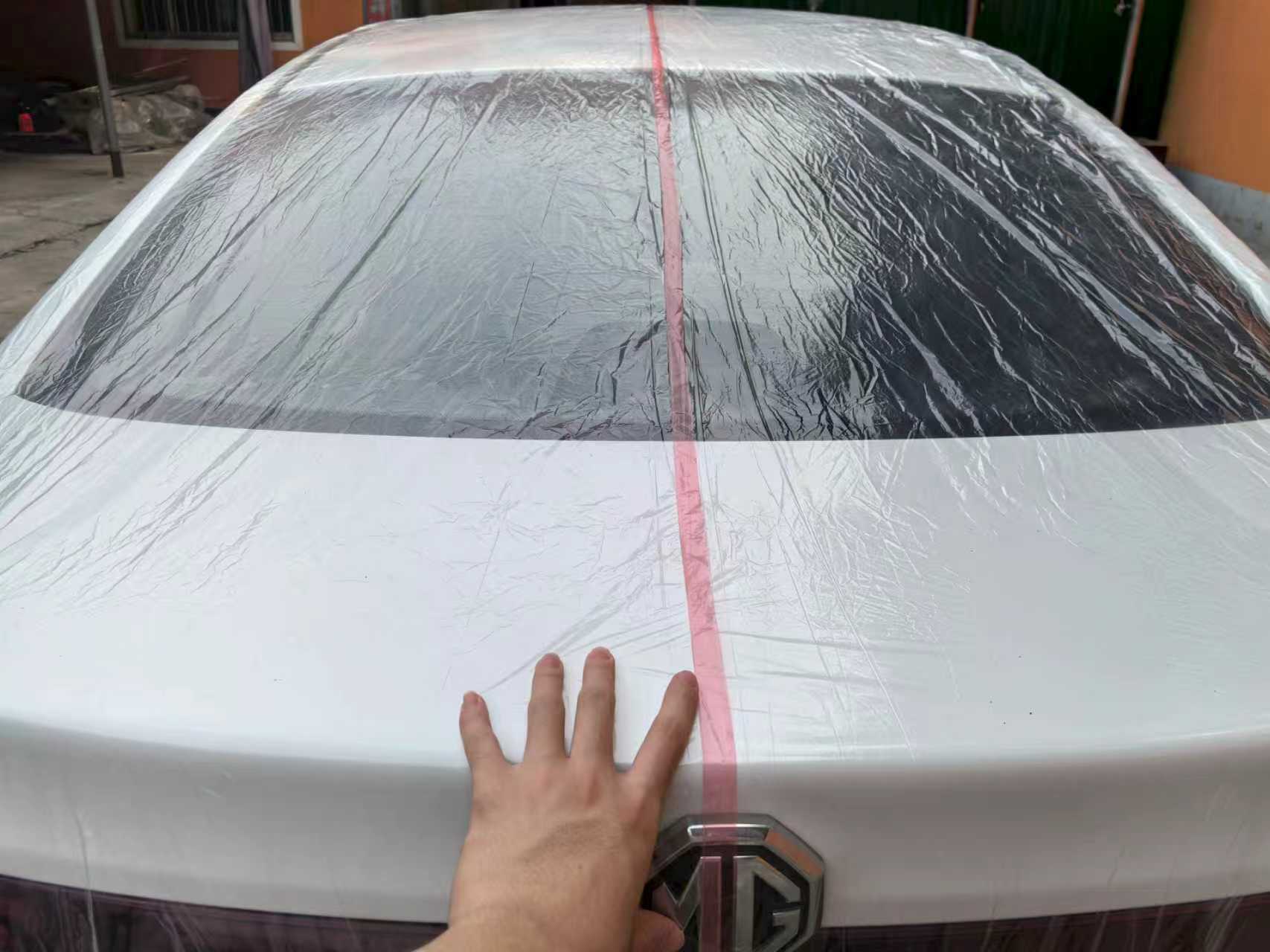
I use a simple specification sheet because it turns a general request into a product that a distributor, dealership, or workshop can test and reorder with confidence.
Which Film Thickness Should I Choose for Disposable Car Seat Covers?
I often see buyers compare only microns. That shortcut can create weak covers, poor handling, and price comparisons that do not measure the same product.
I normally match thickness to handling frequency, resin, film structure, and target cost. I see common professional covers around 11–20 microns, while multilayer designs may provide better handling than a single-layer film of similar measured thickness.
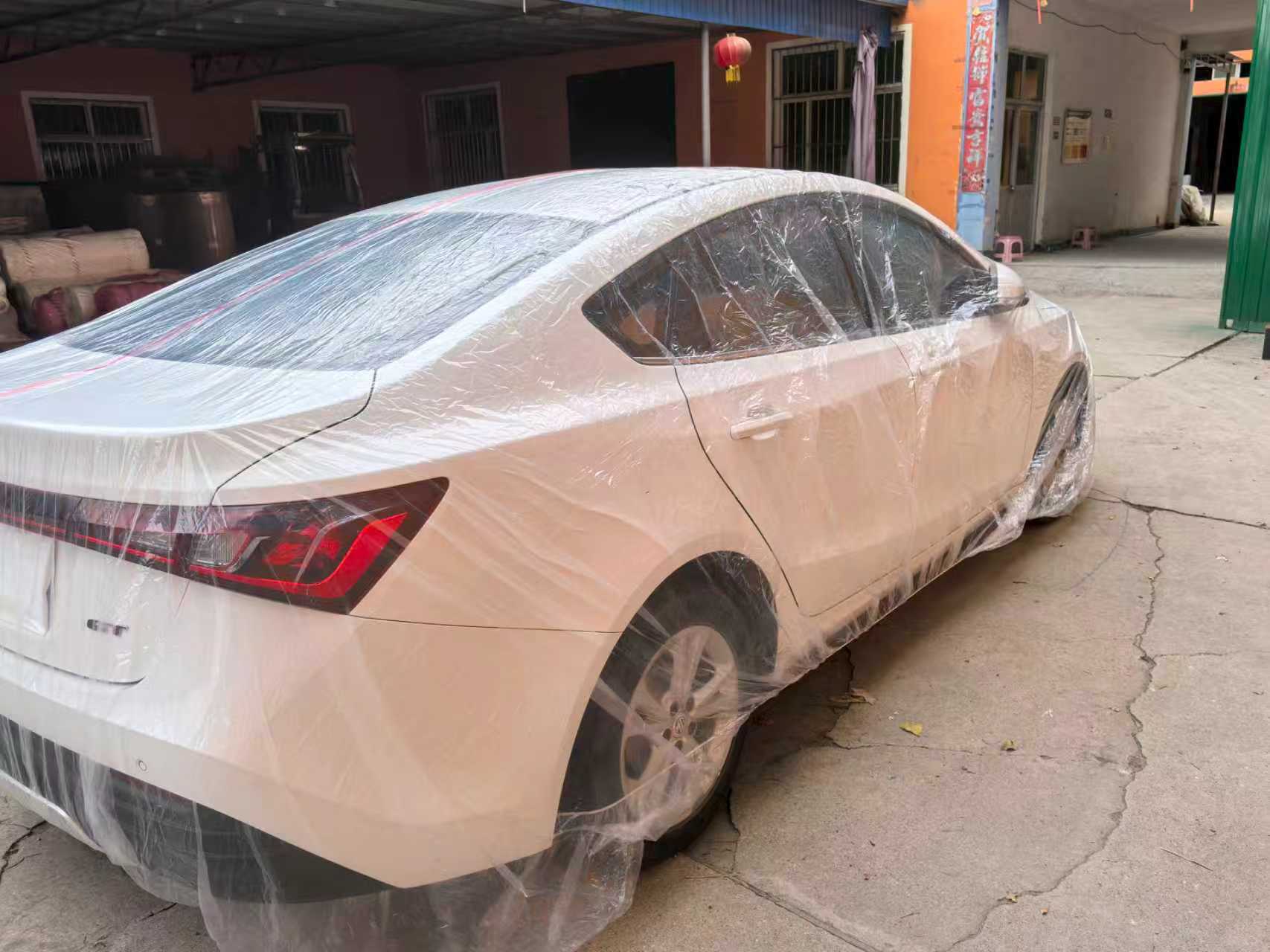
I Match the Gauge to the Service Routine
I first ask how many times a technician will enter and leave the vehicle. I may choose a lighter economy film for one quick inspection, but I prefer more tear resistance for repair work, body shops, vehicle movement, or repeated entry. I also check whether the cover will touch belt buckles, seat controls, headrests, or rough work clothing. These contact points often reveal weak film before the flat center area does.
I never treat a micron figure as proof of total strength. I also review the resin blend, film direction, seal quality, fold pattern, and any slip or grip layers. A soft LDPE film can feel flexible and easy to fit. An HDPE-rich film can feel crisper, but its sound and handling feel different. I ask for samples from the actual proposed specification because a generic sample can hide a changed resin or production setting.
| My buying situation | My starting thickness discussion | My next check |
|---|---|---|
| Quick inspection or light service | About 11–13 microns | I test opening and one-time entry |
| General dealership or workshop service | About 13–15 microns | I test seat controls and repeated movement |
| Longer repair or heavier handling | About 15–20 microns | I test tears, seams, and removal |
| Multilayer slip-and-grip design | I compare total structure, not gauge alone | I test both seat grip and technician movement |
I use these ranges only as a sourcing start. I approve the product after a handling test and an agreed tolerance. I also ask how nominal thickness will be checked during repeat production.
What Finished Size Gives Me Reliable Seat Coverage?
I can buy strong film and still get complaints when the cover is too narrow, too short, or difficult to place over modern headrests.
I start near the common professional range of 78–84 cm wide and 130–142 cm long, then I test the actual target vehicles. I choose the size by coverage, opening style, headrest area, and local vehicle mix.
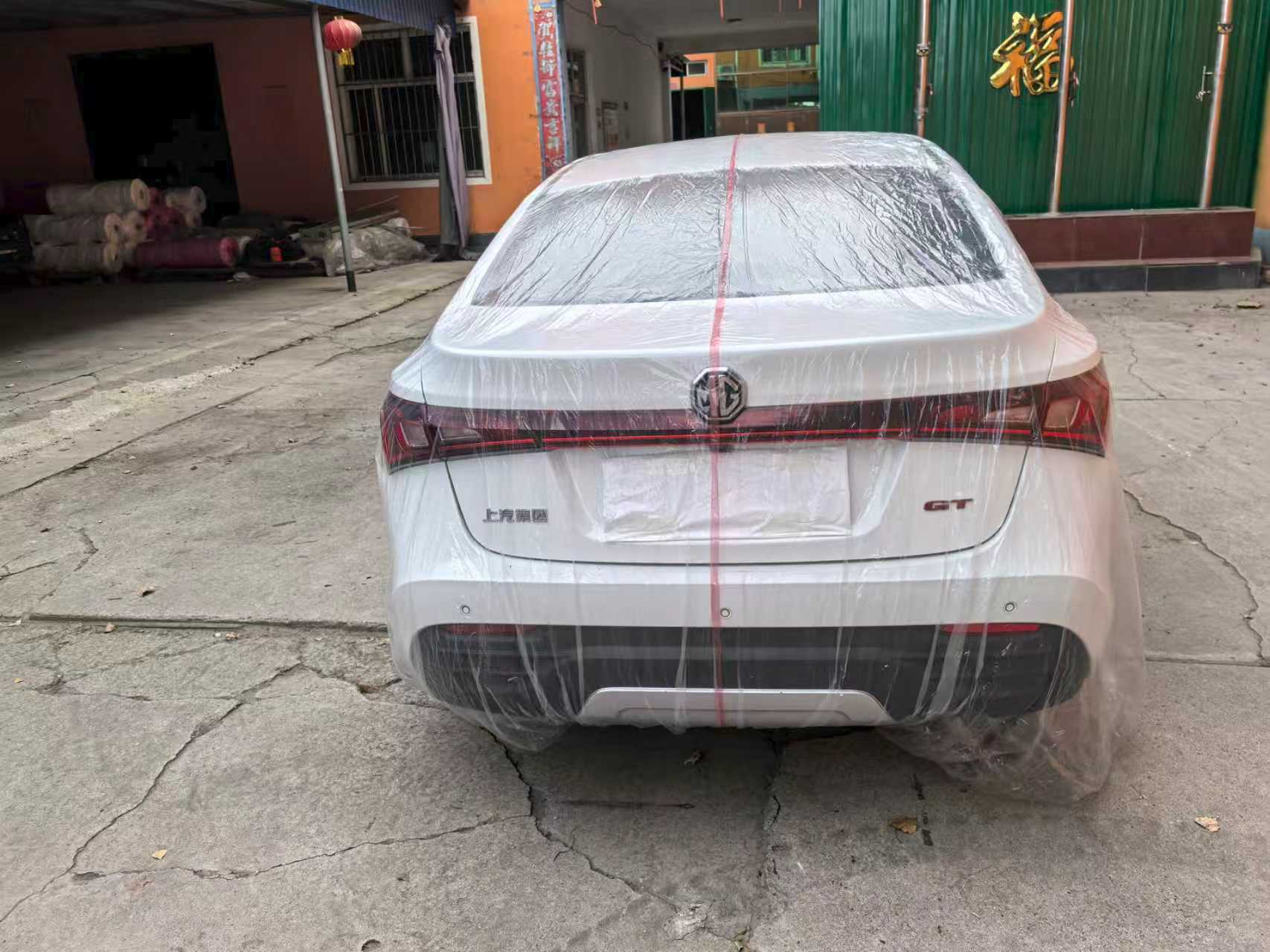
I Define What “Universal” Must Cover
I do not accept the word “universal” without a fit test. I list the vehicles that matter to my customer base, such as sedans, SUVs, pickups, vans, and light commercial vehicles. I then check whether the cover reaches the seat cushion edges and protects the upper backrest. I also check whether the opening is wide enough for fast installation without tearing. A few extra centimeters may prevent complaints, but uncontrolled oversizing adds film cost, carton weight, and storage volume to every roll.
I pay special attention to large headrests, wide side bolsters, and seat-mounted controls. I do not want loose plastic to interfere with controls or create an untidy presentation. I also ask how the cover is folded because the operator must identify the opening quickly.
| My size item | What I write on the purchase specification | Why I check it |
|---|---|---|
| Finished width | Target width plus agreed tolerance | I need side-to-side cushion coverage |
| Finished length | Target length plus agreed tolerance | I need backrest and cushion coverage |
| Opening width | Minimum usable opening | I need quick fitting without stress tears |
| Headrest area | Pocket, drape, or shaped top | I need stable upper-seat coverage |
| Fold direction | Opening position after dispensing | I need fewer installation mistakes |
| Perforation pitch | One finished cover per tear | I need accurate quantity and clean separation |
I use a small fit matrix before I approve a bulk order. I record pass, marginal, or fail for each vehicle group. I then decide whether one size is enough or whether a distributor needs standard and extra-large options.
How Do I Select LDPE, HDPE, MDPE, or a Multilayer Film?
I see buyers request “PE seat cover” as if every polyethylene film behaves alike. That wording leaves flexibility, noise, grip, and opening performance undefined.
I select resin by the required feel and use. I use LDPE when softness and drape matter, HDPE when a crisp lightweight structure fits the program, MDPE for a balanced option, and multilayer film when surface behavior must be engineered.
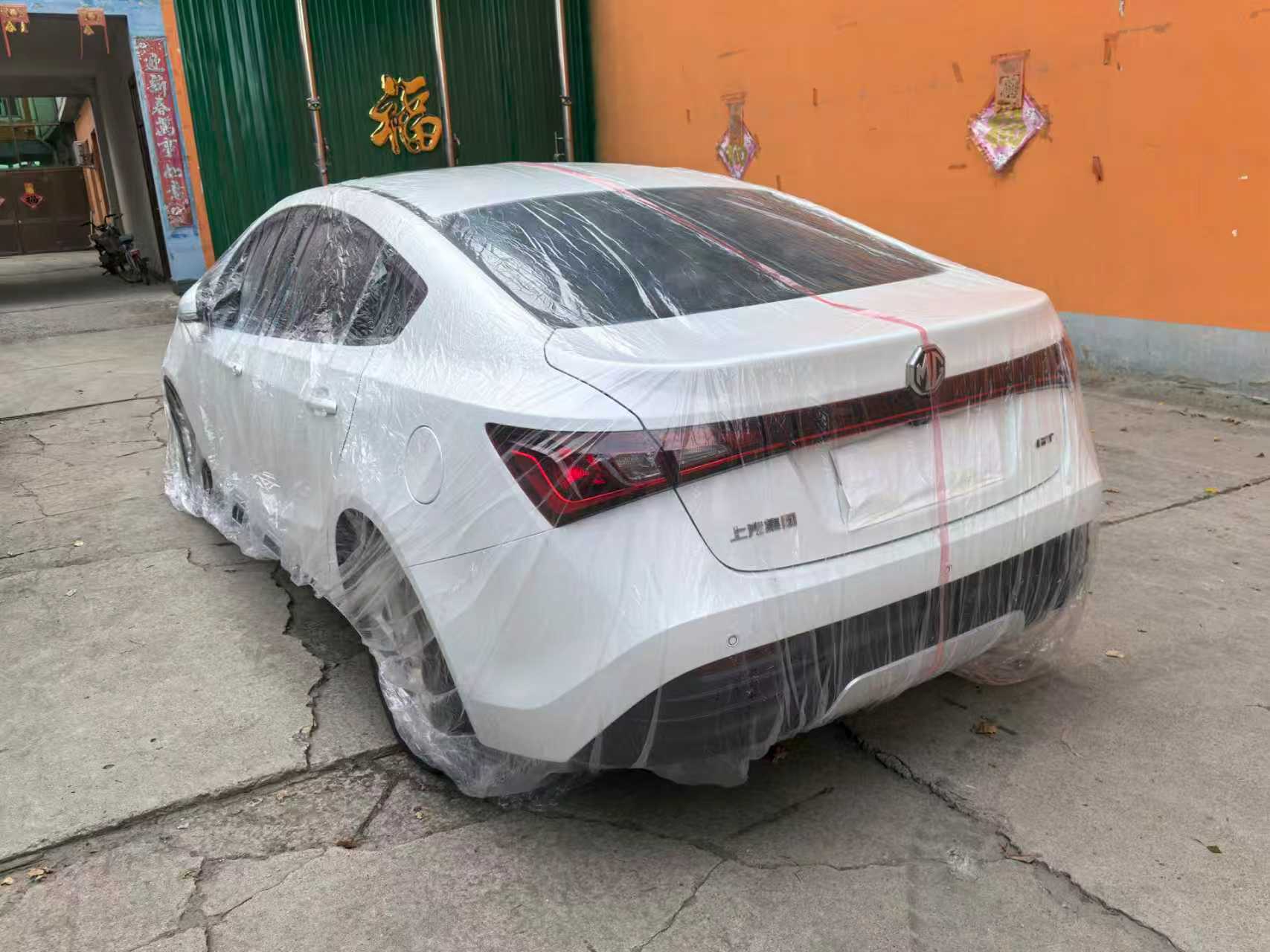
I Separate Material Names from Actual User Experience
I ask what the technician and the customer should notice. I may want the inside surface to stay on the seat while the outside lets the technician slide in and out. I may want low static cling so operators can open each cover quickly. I may also want a milky white film for visible service protection or a transparent film that keeps the seat visible. These needs guide the film design more clearly than a resin acronym alone.
I also define whether the application needs a single layer or a multilayer structure. I do not assume that every multilayer product performs better. I test whether the seat-facing surface grips fabric, vinyl, and leather without leaving material behind. I test whether the technician-facing surface allows normal movement. I also check whether the film blocks workshop dirt, grease, and light moisture for the intended service period.
| My film choice | What I expect to evaluate | What I avoid assuming |
|---|---|---|
| LDPE | Soft feel, drape, and easy fitting | I do not assume softness equals tear strength |
| HDPE | Crisp handling and efficient material use | I do not assume lower weight fits every service |
| MDPE | A balance of stiffness and flexibility | I do not approve it without an actual sample |
| Multilayer film | Different grip and slip behavior by surface | I do not compare it by thickness alone |
I use virgin raw materials rather than recycled production waste as a substitute material in this product line. I control raw-material selection because stable film behavior matters for opening, perforation, strength, and repeat orders. I still ask each buyer to confirm the exact performance targets because material selection must support the real service process.
Which Packaging and Quality Checks Should I Put in My Purchase Order?
I see good film lose buyer trust when rolls contain uncertain quantities, perforations fail, labels change, or cartons arrive unsuitable for daily workshop dispensing.
I specify roll or folded format, pieces per unit, dispenser design, private-label details, carton marks, count tolerance, and inspection method. I approve repeat orders against a retained sample and a written acceptance checklist.
I Build a Reorder Standard That Both Sides Can Measure
I choose packaging from the end user's workflow. I use rolls when a service bay needs fast tear-off access and stock control. I consider folded covers for individual issue or kit assembly. I state whether a roll needs 100, 200, 250, or 500 pieces, but I confirm that the thickness and roll diameter work with the dispenser. I do not copy a competitor's pack count without checking freight and shelf space.
I include the artwork version, label language, barcode data, carton quantity, and shipping marks in the approved file set. I define how I will check dimensions, thickness, perforation, opening, printing, roll count, and carton condition. I ask for production samples when the order or customization justifies them. My experienced production staff and flexible production lines can support large orders, but I still prefer a clear approval process because it helps both sides reduce export risk and rework.
| My control point | My purchase-order requirement | My acceptance check |
|---|---|---|
| Unit format | Roll, folded, or kit | I compare it with the approved sample |
| Piece count | Exact target and count tolerance | I count selected units or verify roll records |
| Perforation | Tear position and separation quality | I tear several points across sampled rolls |
| Printing | Artwork file, color reference, and placement | I compare visible output with approval |
| Carton | Quantity, strength, marks, and dispenser opening | I inspect packing and a working dispenser |
| Repeat production | Material, size, gauge, and tolerance record | I compare new samples with the retained standard |
I recommend that buyers request the same complete specification from every supplier. I provide options for plastic car seat covers and related automotive plastic seat cover formats. I can then compare value, quality, quantity accuracy, packaging, and export support on equal terms.
I turn thickness, size, material, fit, packaging, and inspection into measurable requirements. That work gives me a disposable seat cover that buyers can test, trust, and reorder.