
A premium wool mat can lose its value when the binding color looks wrong or the edge finish varies. Bulk orders make that mismatch expensive to correct.
I choose matching binding for a quiet OEM-style appearance and contrasting binding for a stronger visual accent. I approve neither option by color name alone. I compare physical swatches, binding material, width, stitch quality, corner finish, interior colors, and production tolerances before confirming a bulk wool car mat order.
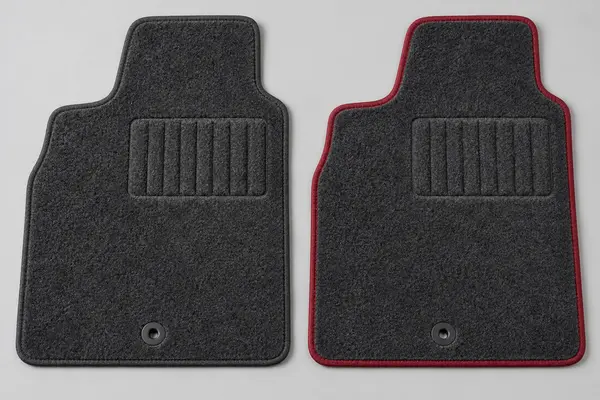
I treat the edge as a design and construction detail. I base the choice on the market, vehicle interior, and approved sample.
When Do I Choose Matching or Contrasting Binding?
A buyer may choose a color from a screen and expect an exact interior match. Different light, pile direction, and edge material can quickly expose the mistake.
I choose matching binding when the mat should blend with the carpet and cabin. I choose contrasting binding when the brand wants a clear accent or easier visual distinction between SKUs. I test both choices on a complete mat because a small swatch cannot show the full effect.
I start with the intended product position
I first ask how the buyer plans to sell the mat. A dealership program may need a restrained OEM-style look. A private-label range may need a recognizable accent. I do not assume that one choice is more premium in every market.
Matching binding reduces the visual break between the wool pile and perimeter. I consider it when the buyer wants an integrated look. Wool and woven binding reflect light differently, so I compare them from several angles.
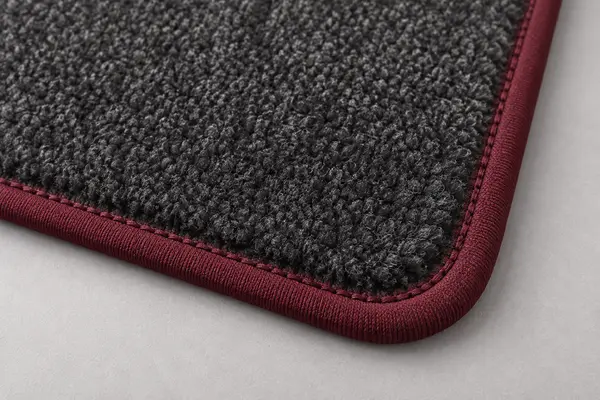
Contrasting binding creates a visible frame. I consider it when the buyer wants a red, blue, tan, or other controlled accent. The contrast also makes uneven corners, joins, and stitch spacing easier to notice, so I require a clean full-size sample before approval.
| Market goal | My usual starting point | What I verify |
|---|---|---|
| OEM-style replacement | I start with matching binding | I compare it with cabin carpet and trim |
| Private-label accent | I test one controlled contrast color | I check brand consistency across SKUs |
| Classic interior | I compare reference photos and swatches | I avoid relying on modern color names |
| Mixed vehicle range | I use a limited color system | I check that cartons and SKU labels stay clear |
I limit color combinations until the buyer proves demand. Every extra combination adds another sample, label, packing record, and stock decision.
Which Binding Details Affect Bulk Quality?
Two samples can share the same color but show different edge quality after production. Loose wrapping, uneven width, and poor corners make the whole mat look inconsistent.
I specify binding material, visible width, stitch position, thread color, overlap location, corner shape, and acceptable variation. I also check how the binding holds the wool carpet and backing together. Color approval alone does not control these construction details.
I inspect straight edges, curves, and joins separately
I begin with the binding material. Textile tape, synthetic suede-style tape, and other edge materials can look different even when suppliers use the same color name. I approve the actual material that will be used, not a photo of a similar tape. I check the front surface, folded edge, and underside because each area can reveal a different shade or texture.
I then review the visible width around the full mat. A narrow edge can look precise, but it leaves less room for uneven wrapping. A wider edge can create a stronger design line, yet it can appear heavy on a small mat. I choose the width from a finished sample and keep the same reference for production.
Corners need their own inspection. I look for smooth curves, consistent tension, flat placement, and no exposed backing. I also check the binding join. I prefer a planned join position that does not create a distracting bump in the most visible area.
| Edge detail | What I inspect | Common approval mistake I avoid |
|---|---|---|
| Material | I inspect surface, flexibility, and color | I do not approve from a color name |
| Visible width | I measure several straight and curved areas | I do not measure only one point |
| Stitch line | I check spacing and distance from the edge | I do not judge only from the top view |
| Corners | I check wrapping, tension, and shape | I do not accept puckering as normal variation |
| Join | I check position, overlap, and thickness | I do not leave the join location undefined |
I flex the finished edge and inspect the underside. This check helps me find skipped stitches, loose sections, and exposed backing before approval.
How Do I Approve Binding Color for Production?
Color names such as charcoal, beige, or burgundy are too broad for a purchase order. A small shade difference becomes obvious around an entire mat.
I approve a physical pile swatch and binding swatch together, then approve a complete mat. I compare them under consistent neutral light and inside a target vehicle when possible. I record the approved combination with codes, dated photos, and a retained sample.
I control the comparison conditions
I place the wool pile and binding next to each other before I judge the color. I brush the pile in more than one direction because the apparent shade can change. I also curve the binding around a sample corner. Tension and surface angle can change how the tape reflects light, so a flat strip may not represent the finished edge.
I compare the sample under neutral indoor light first. I then check it in daylight and in the planned vehicle interior if a reference vehicle is available. I do not ask for a perfect visual match under every light source. I ask the buyer to approve the intended appearance under agreed conditions.
For matching binding, I define an acceptable visual relationship because the surfaces may not appear identical. For contrasting binding, I keep the accent stable across the range. I also decide whether thread should blend in or remain visible.
I label every retained sample with the pile code, binding code, thread code, mat model, and approval date. I avoid handwritten color names as the only record. If the supplier changes a component or the buyer requests a new shade, I restart the approval for that combination rather than assuming the previous decision still applies.
I connect this color work to the full construction review in my OEM wool car mat specification guide. I still keep the binding approval as a separate signed item so it cannot be confused with pile, backing, or fit approval.
What Do I Put in the Binding Purchase Specification?
An approved photo cannot control material, width, stitching, and carton identification. If these fields stay vague, a correct sample can still lead to inconsistent bulk goods.
I write the pile code, binding code, material, visible width, thread, stitch position, corner standard, join position, color tolerance method, and approved-sample reference. I also connect every combination to a unique SKU and carton mark.
I turn the approved edge into measurable order data
I state the exact product first: custom-fit wool automotive floor mat set. This prevents the binding record from being reused for a rubber, TPE, paper, or general carpet mat. I then identify the pile material and color code, followed by the approved binding material and code.
I record the visible binding width on the face and any important underside requirement. I identify the thread color and whether the stitch line should blend in or remain visible. I add the planned join area, especially when a buyer wants the most visible edges free from overlaps. If the set includes different mat shapes, I confirm that the same rule works on tight curves and small rear mats.
| Purchase field | What I record | Evidence I retain |
|---|---|---|
| Pile and binding | I record both material and color codes | I retain paired swatches |
| Edge width | I record the agreed visible range | I retain measurement photos |
| Thread | I record color and approved appearance | I retain a sewn edge sample |
| Corner and join | I identify finish and preferred location | I retain full-mat photos |
| SKU control | I assign one code to each combination | I retain the packing list format |
| Bulk check | I state sampling points and acceptance method | I retain inspection records |
I inspect samples from more than one carton when practical. I compare each edge with the retained approval and record visible changes as a repeatable purchasing check.
I use a raw-material selection process and do not use recycled production waste as substitute material. I focus on stable quality, fair value, quantity accuracy, and export-risk reduction. My experienced staff and flexible lines support large orders, while the approved sample and written specification control the order.
I choose matching or contrasting binding only after reviewing the complete mat. Controlled swatches, finished samples, and clear purchase data protect both appearance and reorder accuracy.