
A thick, soft sample can still become a poor OEM order when fiber content, fitment, backing, or driver-side safety details are unclear.
I specify wool car mats by verified fiber composition, pile height, pile weight or density, backing, edge finish, heel pad, vehicle template, retention system, set contents, and packing. I approve both material and fitment samples before bulk production.
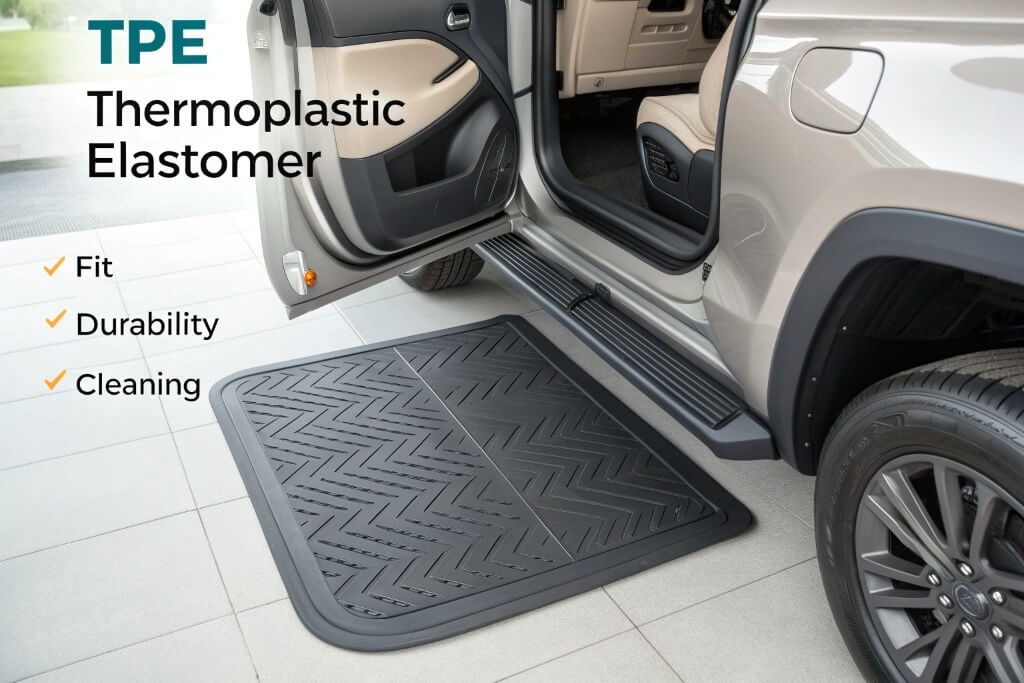
I use one written specification because luxury appearance is not enough. Importers need repeatable material, safe fitment, clear branding, and cartons that match the sales program.
How Do I Define Wool, Wool Blend, and Cashmere-Look Materials?
Similar-looking carpets can use very different fibers. If the quotation only says “wool” or “cashmere,” buyers cannot compare quality or describe the product accurately.
I request the exact declared fiber composition and construction. I separate genuine wool, wool blends, microfiber blends, and cashmere-look synthetic products. I do not use a luxury material name unless the written specification supports it.
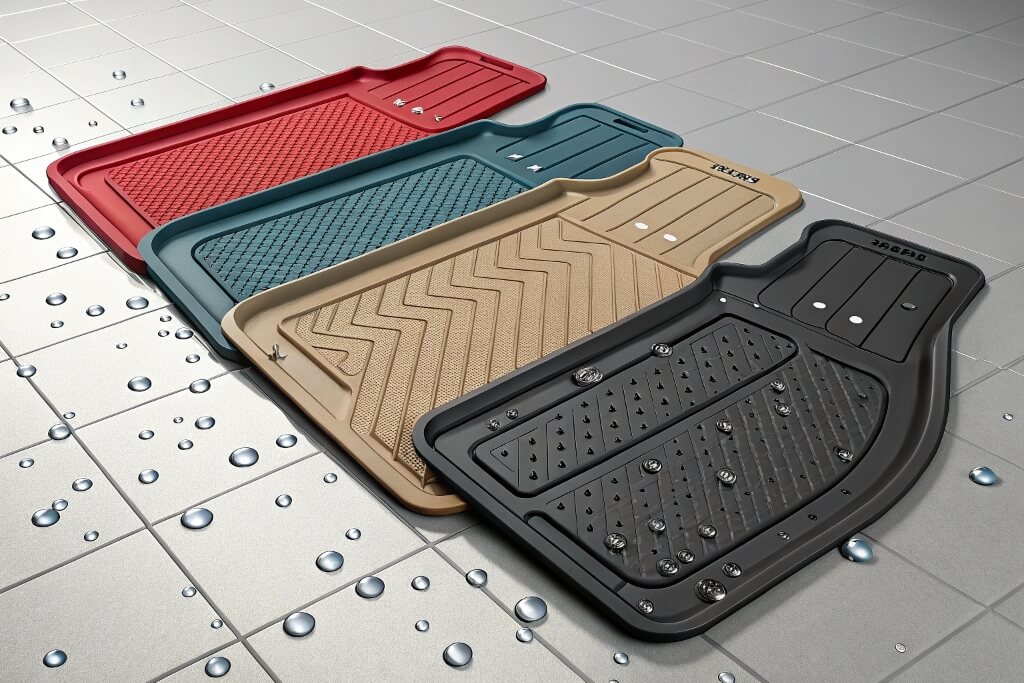
I Make the Material Name Match the Purchase Document
I ask the supplier to state each fiber and its percentage when that information is available. I also ask whether the product uses woven carpet, tufted pile, needle-punched material, sheepskin, or another construction. These products can feel soft but behave differently during cutting, edging, cleaning, and use.
I do not judge fiber content by touch or a product photo. A dense synthetic microfiber can look like cashmere, while a wool blend can contain a smaller wool share than the buyer expects. If the material claim matters to customs, labeling, retail copy, or price positioning, I ask for suitable supporting documents and agree on the exact label wording before production.
I then approve a physical swatch from the planned material lot or construction. I compare color, surface feel, pile direction, shedding, backing bond, and odor without turning a simple sample check into a formal certification. Dark colors can show lint, and light colors can show dirt, so I evaluate the material in the target interior colors.
I also write any restricted substitute materials into the order. I use a raw-material selection process and do not use recycled production waste as substitute material. This statement does not replace the need to define the actual fiber blend and backing.
| Material description | What I request | Main buying risk |
|---|---|---|
| Genuine wool | Declared wool content and construction | Unsupported fiber claim |
| Wool blend | Percentage of every main fiber | Unclear wool share |
| Microfiber blend | Polymer or fiber description | Luxury name used without clarity |
| Cashmere-look material | Accurate synthetic or blend label | Retail description that overstates content |
Which Pile Height, Weight, and Backing Should I Specify?
Thickness alone can mislead a buyer. A tall loose pile may feel plush at first, while a denser shorter carpet can hold its shape better.
I record total thickness, pile height, pile weight or surface density, backing type, and finished sample weight where useful. I compare these values with compression, shedding, edge recovery, and backing tests on the planned construction.
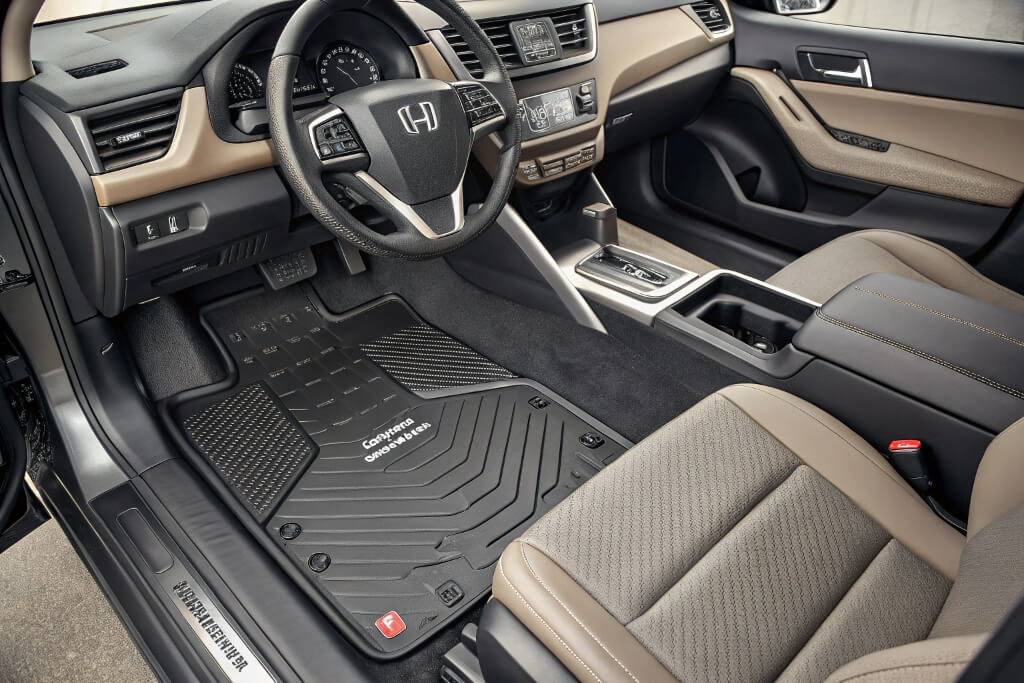
I Compare the Carpet as a Complete Layer System
I separate pile height from total mat thickness. Total thickness may include the carpet base, bonding layer, backing, and any padding. Pile height describes the visible fiber above the base. I ask the supplier to show where each measurement starts and ends so two quotations use the same method.
I also request pile weight or surface density when it can be measured consistently. A higher number does not automatically create a better mat, but it gives context for fiber quantity. I press the sample by hand and with a repeatable load, then watch how the pile recovers. I inspect whether fibers pull out during normal rubbing or vacuuming.
The backing controls shape and movement. I ask whether it is rubber, TPR, PVC, felt, textile, foam, or another system. I check flexibility, bond to the carpet, edge curl, odor, and grip on representative vehicle carpet. I do not call a backing non-slip based only on a molded pattern. I test the complete mat with the intended retention points.
I test a packing sample because a thick mat can hold a fold after shipment. I let it rest flat before judging recovery and follow material-specific cleaning guidance.
| Specification | What it tells me | What it does not prove alone |
|---|---|---|
| Pile height | Visible fiber height | Density or long-term recovery |
| Total thickness | Complete mat profile | Fiber content |
| Pile weight or density | Fiber amount over an area | Fitment or backing grip |
| Backing type | Base material and structure | Safe retention without testing |
| Finished mat weight | Shipping and handling context | Material quality by itself |
How Do I Control Fitment, Heel Pads, and Driver-Side Safety?
A premium carpet mat becomes unsafe when it moves toward the pedals or covers the wrong footwell area. A soft pile cannot correct a bad template.
I approve the exact vehicle year, make, model, body style, driving side, template revision, and retention points. I check pedal clearance, seat-rail clearance, heel-pad position, and every piece in the set inside the target vehicle.
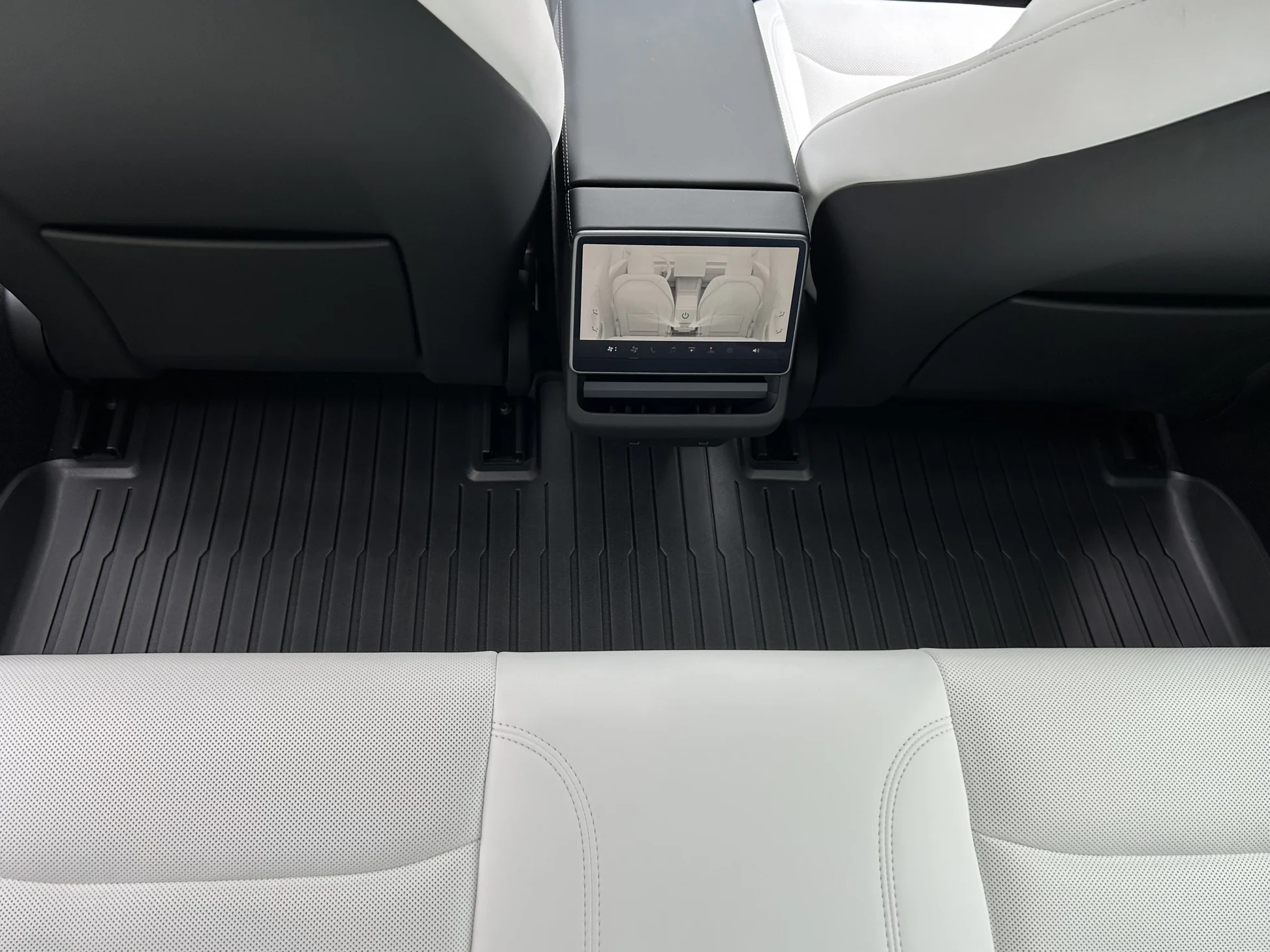
I Treat the Driver Mat as a Separate Safety Item
I do not approve a set from an outline image alone. I request a full-size first article and install it in the correct vehicle. I move the seat through its range and operate the accelerator, brake, and clutch where fitted. I check that the mat stays clear of pedals and does not rise, fold, or slide during normal entry and exit.
The retention system must match the vehicle. I record the number, type, position, and orientation of clips, eyelets, hooks, or other fixings. I do not stack a new mat over an old mat during the check. I also inspect the backing because retention points and surface grip work together.
I place the heel pad under the real wear zone, not a generic center point. Left-hand-drive and right-hand-drive vehicles can need different locations. I specify heel-pad material, dimensions, thickness, edge method, color, and attachment method. A hard or raised pad must not interfere with comfortable pedal movement.
For rear mats, center pieces, and multi-row sets, I label every component. I state whether the order contains two, four, five, or more pieces. I use a template code and revision date so a later model update does not silently enter an old order.
| Fitment field | What I record | Failure I prevent |
|---|---|---|
| Vehicle identity | Year, make, model, body style | Wrong footwell outline |
| Driving side | LHD or RHD | Wrong driver-mat and heel-pad position |
| Retention | Type, count, and coordinates | Mat movement toward pedals |
| Template | Code and revision date | Old pattern used for a new order |
| Set contents | Every piece and quantity | Missing rear or center mats |
What OEM Details Should I Approve Before Bulk Production?
Good fitment can still be lost when edging changes, logos shift, colors vary, or sets are packed incorrectly. These problems damage distributor confidence.
I approve edge material, stitch color, logo method, label text, color reference, set packing, carton marks, and inspection points. I connect one signed material sample and one signed fitment set to the purchase order.

I Build a Repeatable Sample and Packing Standard
I select the edge finish with the carpet thickness in mind. Binding should follow curves without puckering, open seams, or hard corners. I check thread tension, start-and-stop points, and the transition around retention holes and heel pads. I also compare edge color under normal interior lighting.
For logos, I define the artwork, dimensions, position, colors, and application method. I make sure branding does not create a hard wear point or enter the driver’s heel area.
I pack one complete approved set as the buyer will receive it. I confirm whether mats ship flat, folded, rolled, or compressed. I add protective material where hardware could mark the pile. I record sets per carton, carton dimensions, gross weight, item code, vehicle code, color, and destination mark.
For inspection, I check composition documents, color, pile, thickness, backing, dimensions, retention, heel pad, edging, logo, packing, and quantity. I focus on stable quality, fair value, and quantity accuracy. Experienced staff and flexible lines can support larger orders, while clear documents help reduce export and receiving risks.
| Approval item | My reference | Why it matters |
|---|---|---|
| Carpet material | Signed swatch and specification | Controls fiber, pile, and color |
| Vehicle fitment | Installed first-article set | Controls outline and retention |
| Branding | Approved artwork and placement | Prevents logo errors |
| Packing | Complete packed sample | Protects pile and hardware |
| Inspection | Written checklist and tolerances | Creates one repeat-order standard |
I can review available wool and carpet constructions on our carpet car floor mats page. I still approve the exact material and vehicle-specific sample planned for each bulk order.
I buy wool car mats from verified material and installed fitment samples. Clear pile, backing, retention, branding, and packing specifications support a safer premium program.