
I cannot compare masking film prices fairly when a full-looking roll contains less usable film than its label suggests. I start with a repeatable length check.
I verify automotive masking film roll length by agreeing on units and tolerances, measuring a complete sampled roll under low tension, recording unusable sections separately, and tracing results to cartons. I use roll weight only as a screening tool after checking the core and film construction.
I treat length verification as an incoming quantity check. I keep it separate from fold approval, surface treatment, and heat performance because those checks answer different buying questions.
What Length Information Do I Put in the Purchase Order?
I risk comparing different quantities when a quotation mixes meters, feet, unfolded width, and packed roll dimensions. I define each field before comparing prices.
I specify the nominal linear length, unit, agreed acceptance limits, usable unfolded width, core details, and treatment of joins or damaged ends. I also record the measuring method and how sampled rolls will be selected.
I separate the roll dimensions before calculating value
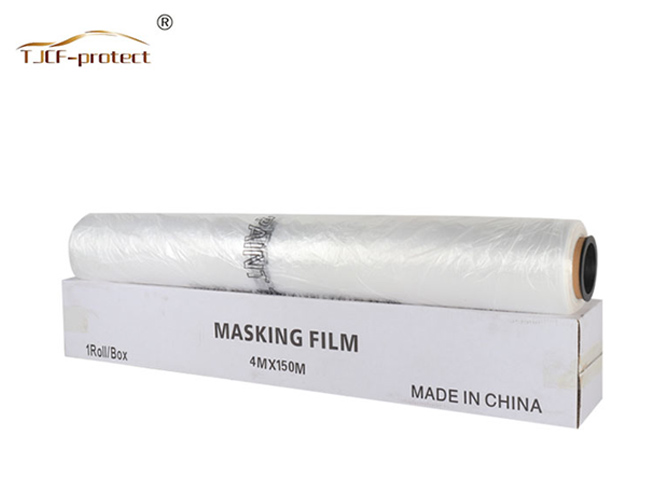
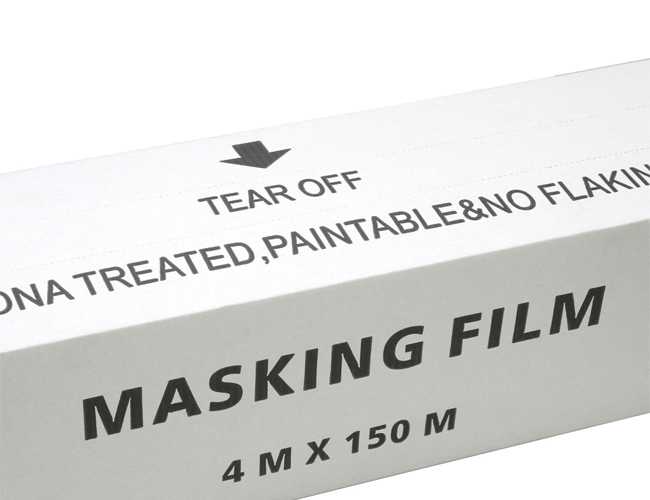
I read a size such as 4 m × 150 m as unfolded sheet width followed by linear roll length only when the supplier confirms that order. I do not assume that the compact width of a folded roll describes its full coverage. As a market reference, 3M's Clear Masking Film listing identifies width and length as separate attributes. I use that example to clarify the purchase description, rather than to claim equivalent performance for another product.
I make one unit the controlling unit in the purchase order. If a label also shows an imperial conversion, I identify it as a conversion and agree on rounding. I do not accept two rounded numbers as independent acceptance limits. I ask whether the supplier's stated length includes the starting tail, core attachment, joins, or visibly damaged material.
I agree on tolerances in writing instead of inventing a universal percentage. I also distinguish a tolerance used for commercial acceptance from uncertainty in the measuring equipment. If a result falls close to a limit, I review the method and measurement uncertainty before making a shortage claim.
| Purchase-order field | What I record | Why I need it |
|---|---|---|
| Linear length | Nominal value and controlling unit | I can compare like quantities |
| Acceptance limits | Agreed minimum and any upper limit | I avoid an undefined pass decision |
| Unfolded width | Usable sheet coverage | I keep width separate from length |
| Joins and damaged sections | Allowed condition and counting rule | I can identify usable quantity |
| Measuring method | Equipment, handling, and tension approach | I can repeat a disputed result |
How Do I Measure a Complete Sample Roll Without Stretching It?
I can overstate film length by pulling thin film tight or letting a measuring wheel slip. I control handling before trusting the displayed number.
I measure a complete roll with a checked length counter or repeated marked distances, using gentle, consistent feed. I record the start and end, equipment check, roll identity, joins, and damaged sections. I repeat questionable readings before judging the lot.
I check the method before checking the shipment
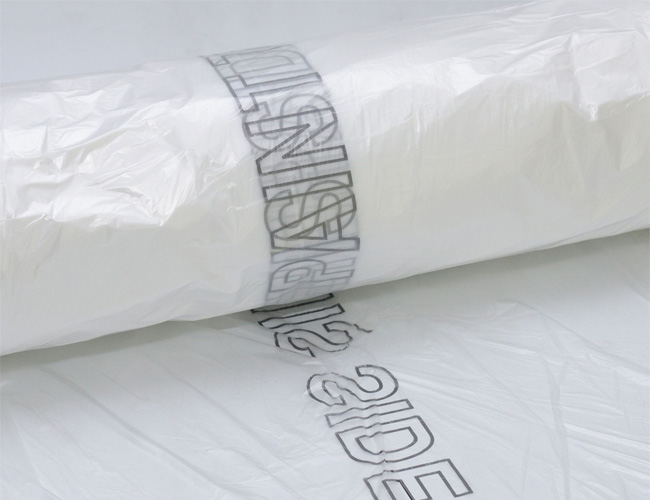
I start with a clean, smooth path and enough space to manage the film without dragging it over sharp edges. I check the measuring device against a known reference distance at the feed conditions planned for the inspection. For a contact wheel, I watch for slipping, wrinkles, or loss of contact. I do not assume that a counter suitable for a thick web works accurately on a folded thin film.
I unwind the complete selected roll at a steady, low tension. I avoid stretching the sheet to remove every wrinkle. When I use a marked-distance method, I record each measured section and partial final section immediately. I keep a separate tally so a lost count does not become an invented result. I agree with the supplier on whether folded measurement is acceptable, and I check for trapped layers that could change the feed.
I photograph the roll label before opening it and retain the empty core after measurement. I record the measured total and identify any sections that fail the agreed usability rule. I do not quietly subtract a damaged area and call the remainder the original roll length. I report total length and usable length separately so the buyer can see what happened.
I keep my fold-pattern inspection as a separate check. A roll can have correct length while still opening poorly over a vehicle.
Can I Use Roll Weight to Detect Short Masking Film Rolls?
I can mistake a heavy core or thicker film for extra length. I use weighing to identify unusual rolls, then investigate the cause with measurement.
I use gross roll weight as a screening signal only. I compare matched constructions, subtract actual core and packaging weight where possible, and check width and thickness. I confirm suspected shortages through a full length measurement rather than weight alone.
I identify which part of the weight actually represents film
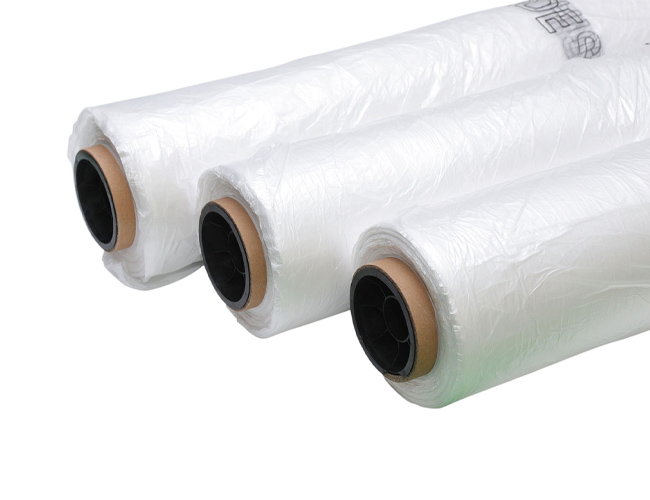
I separate packaging, core, and film before interpreting a weight difference. I use a suitable scale and check its operation. I compare rolls with the same width, material construction, and nominal thickness. I also check whether labels, end plugs, wrapping, or a different core were included in one weighing and excluded from another.
I can estimate length from net film mass divided by mass per unit length when that value is measured reliably for the same film. I treat this as an estimate with uncertainty. If the film is thinner than the reference, an apparently low mass may occur without a length shortage. If the core is heavier, an apparently normal gross mass may hide a shorter film web. I therefore avoid using one approved roll's gross weight as the sole acceptance standard for every later shipment.
I use weight comparisons to choose rolls for closer inspection, while retaining a separately chosen sample across cartons. Otherwise, I might inspect only obvious outliers and miss a consistent shortfall across all rolls. I record the reason for each additional sample and keep it distinct from the original sampling plan.
| Observation | What I check next | What I avoid concluding |
|---|---|---|
| Lower gross weight | Core, width, thickness, and measured length | I do not assume a shortage immediately |
| Higher gross weight | Core mass and film construction | I do not assume extra usable film |
| Similar gross weights | Full length results on selected rolls | I do not treat matching weights as proof |
| Mixed weights within a carton | Product identity and packing records | I do not average away an unexplained difference |
How Do I Turn Length Results Into a Bulk-Order Decision?
I cannot resolve a quantity complaint from an unlabelled sample and one photograph. I connect each result to the order and agree on the next action.
I record each sampled roll separately, compare it with the written limits, and hold affected stock when a shortage is confirmed. I expand inspection under the agreed plan and resolve the affected quantity with the supplier before release.
I keep the decision tied to the actual sampled goods
I choose sampled rolls across identified cartons and production groups when those records are available. I agree on the sample size and escalation process before inspection. I do not describe a convenient handful of rolls as a statistically validated sampling plan. If the buyer requires formal sampling, I ask the appointed inspection party to specify the applicable plan and acceptance criteria.
I keep roll IDs, carton codes, nominal length, measured length, usable length, equipment details, operator, and inspection date together. I record all sampled results rather than only the shortest roll or the average. A favorable average can hide individual rolls that fall below an agreed minimum. I retain evidence of joins and damaged sections because those conditions may need a separate remedy from missing linear length.
I first verify any surprising result by checking the counter, units, counting record, and handling. Once I confirm a nonconformity, I hold the affected stock and request a documented response. I agree whether the next step is broader inspection, replacement, rework, or a commercial adjustment. I do not release the entire order solely because a replacement sample passes.
I discuss the construction shown on my automotive masking film page alongside this quantity record. For a quotation, I ask the buyer for unfolded width, linear length, destination units, carton quantity, and the intended inspection method. I focus on order quantity accuracy while keeping the final acceptance limits specific to the order.
I compare masking film value using verified usable length, consistent measurements, and traceable roll records. I agree on acceptance rules before production so quantity disputes have a clear resolution.