
Wide automotive masking film can look correct in a carton yet twist, stick, or open unevenly over a vehicle, slowing work and increasing waste.
I inspect automotive masking film fold patterns by confirming packed and unfolded widths, opening sequence, working-face orientation, fold symmetry, core fit, and one-person vehicle application. I approve the finished roll, then sample rolls across cartons before bulk shipment.
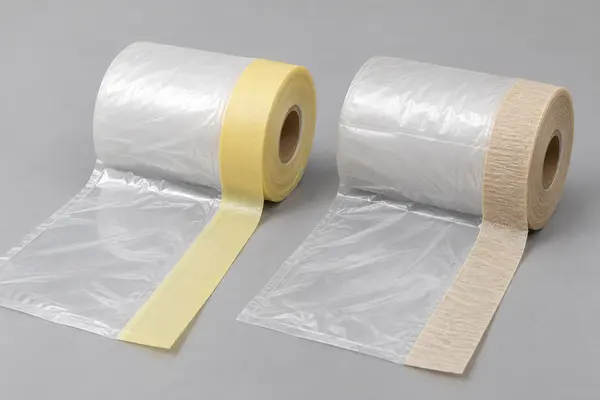
I treat the fold as a working feature, not only a way to make a wide film fit on a narrow roll. The following checks turn that feature into an order standard.
What Fold Information Should I Put in the Purchase Specification?
A quotation may show only the unfolded width. Without the packed width, fold layout, and opening direction, I cannot compare two finished rolls accurately.
I record the finished roll width, full unfolded width, fold sequence, core size, winding direction, working-face orientation, roll length, film thickness, and carton quantity.
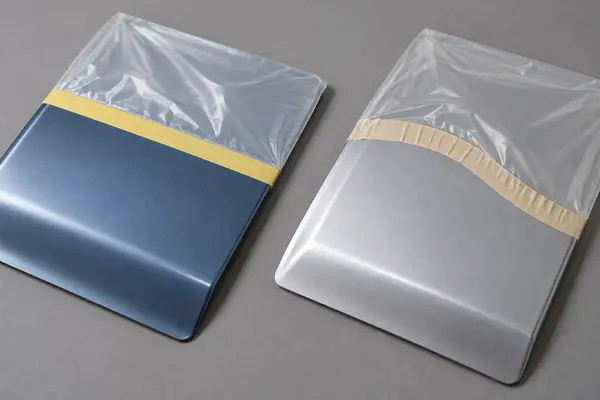
I describe the finished roll that the shop will receive
I begin with the exact product: non-adhesive automotive overspray masking film. This prevents the specification from being reused for pre-taped masking film, a disposable car cover, or general construction sheeting. I state whether the roll is center-folded, multi-folded, or uses another approved layout. I add a simple fold diagram or a marked physical sample when words are not enough.
I separate packed width from unfolded coverage width. A compact roll can open to a much wider sheet, so a buyer can easily compare the wrong dimensions. I also record the orientation of the treated or paint-facing side. The opening sequence should leave the correct surface facing outward when the technician follows the approved method.
I connect fold data with the core and dispenser requirements. A good folding pattern still fails the workshop if the roll does not sit correctly in its box, stand, or cutter. I record core inside diameter, roll outside diameter when relevant, total roll length, and the expected dispensing direction. I then approve the complete roll, not a loose piece of film.
| Specification field | What I record | Buying error I avoid |
|---|---|---|
| Packed width | Width of the folded roll | Comparing packed width with coverage width |
| Unfolded width | Full usable film width | Ordering insufficient vehicle coverage |
| Fold layout | Center-fold, multi-fold, or approved diagram | Receiving an unfamiliar opening sequence |
| Working face | Which surface faces paint | Exposing the wrong film side |
| Winding and core | Direction and core dimensions | Dispenser or box incompatibility |
How Do I Test Whether a Roll Unfolds Correctly?
A neat roll edge does not prove easy application. Hidden folds can catch, reverse, or open in the wrong order after the film reaches the vehicle.
I test the finished roll in its intended dispensing setup. I pull a working length, locate the center, unfold each layer, and cover a vehicle with one operator.
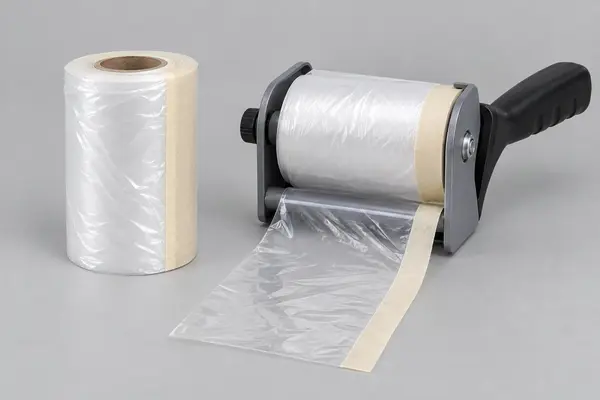
I repeat one practical opening sequence
I condition the sample in the same indoor environment used for comparison and place it in the approved box or holder. I mark the leading edge, paint-facing side, and center reference before I start. I pull enough film to represent a real vehicle job rather than opening only a short sample on a table.
I note which fold releases first and whether both sides open in a predictable order. I watch for layers that cling to the wrong layer, sudden drops, reversed panels, or a narrow fold that remains trapped. I avoid pulling hard to force a result because excessive tension can hide a poor fold and create tears that would not occur with a correct roll.
I then cover a representative vehicle with one operator. I check whether the center can be placed over the roof, whether the film drops down both sides, and whether the working face remains correctly oriented. I record the time only as a process observation, not as an unsupported performance promise. The main approval is a clean, repeatable opening without tangles, uncontrolled stretching, or unnecessary handling.
I compare this work with my center-printing guide when the film also carries an alignment line. The printed line can guide placement, but it does not correct a poor fold pattern.
| Test step | What I observe | Acceptable direction |
|---|---|---|
| Initial pull | Stable edge and even feed | No sudden telescoping or edge catch |
| Layer opening | Predictable release order | Layers separate without forced pulling |
| Full expansion | Complete usable width | No trapped or reversed fold |
| Vehicle drape | Centered, balanced coverage | One operator can control both sides |
| Final orientation | Correct face toward paint | No need to flip the full sheet |
Which Fold Defects Should I Reject or Investigate?
Small fold errors can spread across a long roll. If I accept them at the sample stage, body shops may discover the problem during active paint work.
I investigate trapped folds, uneven panel widths, diagonal creases, reversed layers, edge damage, telescoped rolls, blocking, and any fold that changes the working-face orientation.
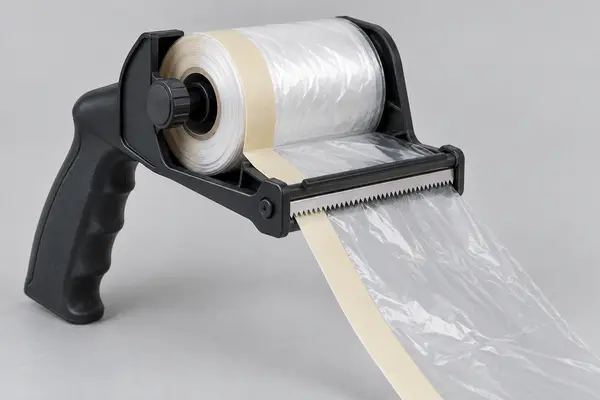
I separate a folding defect from another film problem
I first identify where the fault begins. If the film opens normally and then starts tracking sideways, I inspect winding tension and roll alignment. If one layer stays trapped at the same position, I compare the actual fold layout with the approved diagram. If the layers resist separation across the full width, I review storage, surface condition, static behavior, and possible blocking instead of calling every problem a fold defect.
I inspect the film after opening. Deep diagonal creases can distort the sheet and make it harder to lay flat. Crushed roll edges can damage several layers at once. Uneven fold widths can shift the center away from the vehicle roof, while a reversed fold can expose the wrong surface. I document the location, roll number, carton, and approximate length where the fault appears.
I do not repair a sample and approve the order from the repaired section. I isolate the affected roll, open another length, and compare a second roll from a different carton. This helps me decide whether the issue is local handling damage or a repeated production condition. I connect surface and overspray checks to my corona-treated masking film guide, while keeping the fold decision separate.
| Visible problem | Possible area to check | My action |
|---|---|---|
| One fold stays trapped | Fold placement or layer blocking | Hold the roll and expand the sample |
| Sheet opens off-center | Uneven fold widths | Compare with the approved fold diagram |
| Roll feeds sideways | Winding alignment or edge damage | Inspect core, ends, and roll tracking |
| Working face turns inward | Reversed folding or winding | Reject the orientation and investigate |
| Several layers tear at one edge | Crushed roll edge | Trace carton and handling condition |
How Do I Control Fold Consistency Across a Bulk Order?
One approved roll cannot reveal mixed settings or transport damage across many cartons. Without traceability, a buyer cannot contain a later unfolding complaint.
I sample finished rolls across cartons, repeat the same opening test, retain fold records, and link each result to production and packing codes before shipment.
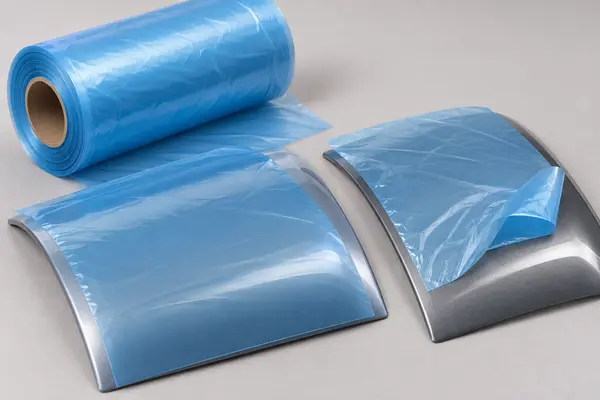
I make repeat orders use the same fold standard
I define the carton sampling method before production finishes. I select rolls from different carton positions and, when practical, from different identified production groups. For each roll, I check the label, core, packed width, edge condition, initial feed, layer sequence, full width, and surface orientation. I record the actual result instead of writing only “pass.”
I keep an approved roll section, fold diagram, specification version, and application record. I also retain clear photos that show the opening sequence, but I do not let photos replace the physical standard. If the film width, thickness, material, treatment, core, winding direction, folding setup, or packing method changes, I require a new review of the affected features.
For repeat orders, I compare the new preproduction roll with the retained standard before bulk release. I use a raw-material selection process and do not use recycled production waste as substitute material. I focus on stable quality, order quantity accuracy, and export-risk reduction, while still requiring the buyer and supplier to agree on the actual acceptance method.
I review available widths and constructions on the automotive masking film page. I then approve the exact finished roll planned for the order, because a product-page description cannot replace fold and application testing.
| Bulk control | My record | Review trigger |
|---|---|---|
| Carton sampling | Roll and carton identities | Any repeated opening fault |
| Fold comparison | Actual layout versus approved diagram | Width or setup change |
| Application check | Opening order and working-face result | New vehicle program or dispenser |
| Retained standard | Roll section and approval version | Damage, aging, or specification revision |
| Repeat order | New sample versus retained standard | Material, treatment, winding, or packing change |
I reduce masking delays when I define the fold, test the complete roll on a vehicle, trace defects, and repeat the same checks across bulk cartons.