
Weak tape can lift during spraying, while aggressive tape can leave residue after removal. Both failures can turn a low-cost masking product into rework.
I test pre-taped masking film on clean painted metal, plastic trim, and glass before a bulk order. I compare initial tack, edge holding, heat exposure, removal, residue, and film-to-tape bonding under the shop’s real working conditions.
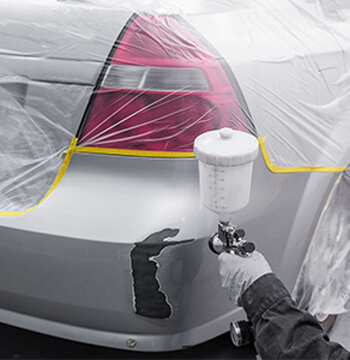
I do not approve tape from a fingertip test alone. I use a repeatable sample plan, because surface type, temperature, dwell time, and removal angle can change the result. My goal is simple: I want enough hold for the job and clean removal afterward.
What Tape Adhesion Problems Should I Screen for First?
One sample may feel sticky in my hand yet lift from trim, pull poorly from the roll, or leave adhesive after a paint cycle.
I screen for four separate risks: weak initial tack, edge lift during use, adhesive transfer during removal, and separation between tape and film. I record each failure separately because each one points to a different buying decision.
I separate “sticky” from “suitable”
I begin by defining the failure that matters to my customer. In a body shop, I need the tape edge to remain in place while the operator unfolds the film and moves around the vehicle. I also need the tape to follow reasonable curves without creating many loose bridges. After the masking period, I want removal to be controlled and clean.
I do not use finger tack as my approval standard. A tape can feel aggressive on skin but behave differently on clear coat, plastic trim, rubber, glass, or a dusty panel. I test each important substrate separately. I also look at the bond between the masking tape and the plastic film. If the film pulls away from the tape while workers unfold it, good tape-to-panel adhesion cannot save the product.
I label every test strip with the sample code, substrate, application time, removal time, and temperature condition. I photograph lifting, tearing, adhesive transfer, or film separation. I avoid vague notes such as “not good.” Clear records help me compare suppliers and help the supplier understand what needs correction.
| My observed problem | What I check next | My purchasing risk |
|---|---|---|
| Tape lifts immediately | I check surface cleanliness and initial tack | I may face slow installation and remasking |
| Edge lifts after waiting | I check dwell time, curves, and temperature | I may face overspray entry |
| Adhesive stays on the panel | I check removal time, heat, and substrate | I may create cleaning work |
| Tape tears during removal | I check backing strength and removal method | I may slow vehicle delivery |
| Film separates from tape | I check the tape-to-film bond | I may waste the entire masking sheet |
Which Surfaces and Conditions Should I Include in a Sample Test?
A sample can pass on clean glass and still fail on textured trim or a cooler panel, so a single surface can create false confidence.
I test the substrates my buyers actually mask, then I vary temperature, dwell time, and panel shape. I include painted metal, glass, smooth plastic, and representative trim when those surfaces match the intended work.
I build a small but realistic test matrix
I first clean every test area with the normal shop process and let it dry. I do not secretly improve the preparation for one sample. I apply equal lengths of competing tapes with similar hand pressure. When I need tighter comparison, I use a small roller or another consistent application method and record it.
I include a flat area and a gentle curve. I do not force ordinary masking tape around an extreme shape and then call the product defective. I want the test to represent normal application. I unfold the attached film after the tape is placed, because that action adds a real handling load. I check whether the tape stays flat and whether the film pulls against the tape line.
I then choose dwell periods that match the customer’s workflow. I may check immediate handling, a normal same-day masking period, and a longer period if vehicles regularly remain masked overnight. I include the relevant booth or warm-area exposure only when the product is intended for it. I never assume a temperature rating. I ask the supplier for the stated temperature and time limit, then I test within the agreed claim.
I keep UV or outdoor exposure separate. A tape designed for indoor refinishing does not automatically suit outdoor storage. If outdoor use matters, I state that requirement before quotation and request supporting product information instead of extending an indoor claim.
| My test variable | My basic comparison | Why I include it |
|---|---|---|
| Surface | I compare paint, glass, and relevant trim | I detect substrate-specific failure |
| Shape | I compare flat areas and gentle curves | I check edge conformity |
| Dwell time | I compare immediate and normal removal times | I detect lift or residue changes |
| Temperature | I use the agreed shop or booth condition | I check holding and removal after heat |
| Film handling | I unfold and position the film normally | I check tape-to-film integrity |
How Do I Judge Holding Power and Clean Removal Fairly?
If I change pressure, strip length, dwell time, or removal angle between samples, I cannot tell whether the tape or my method caused the difference.
I use equal strip lengths, the same substrates, consistent application pressure, fixed dwell times, and one removal method. I score edge lift, residue, tearing, and film separation instead of relying on one pass-or-fail opinion.
I use a repeatable shop comparison before laboratory data
I treat a shop trial as a purchasing comparison, not as a certified laboratory test. If I need a formal peel value, I request the supplier’s test method and report. Pressure-sensitive tape can be measured through recognized peel-adhesion methods, but I do not present my hand test as an ASTM result.
For my practical comparison, I mark the applied length and inspect the same number of strips for each sample. I press each strip in the same way. I wait for the same period. I remove tape at a consistent speed and angle. I note whether the tape releases as one piece, stretches, tears, or leaves visible adhesive. I also touch the area with a clean glove or cloth only when I need to confirm suspected residue; I avoid spreading adhesive across the panel.
I score holding and removal separately. Strong holding does not excuse residue, and clean removal does not excuse edge lift. I can use a simple five-point scale, but I define what each point means before testing. For example, I may define a top holding score as no visible edge lift in the agreed condition. I may define a top removal score as one-piece removal with no visible adhesive transfer.
I repeat any surprising result. One contaminated test spot should not decide a container order. If repeat results disagree, I investigate surface preparation, sample age, storage, and operator method before approval.
| My score area | What I observe | What I avoid concluding |
|---|---|---|
| Initial tack | I check immediate contact and repositioning | I do not call high finger tack “best” |
| Holding | I measure visible edge lift after the set time | I do not ignore curves or temperature |
| Removal | I check one-piece release and tearing | I do not remove samples at random speeds |
| Residue | I inspect for adhesive transfer | I do not confuse dirt with adhesive |
| Film bond | I pull and unfold the attached film | I do not test the tape alone |
What Should I Lock Into the Purchase Order After Approval?
A successful sample does not control production if my order only says “pre-taped masking film” and leaves the tape, dimensions, packing, and tolerance undefined.
I attach the approved sample reference and specify film size, tape width, tape type, temperature-time claim, winding direction, packing, quantity, artwork, and inspection method. I also define how I will handle approved changes.
I convert the test result into a controllable specification
I write down the sample code and approval date. I identify the agreed tape color, width, backing type, and adhesive description supplied by the manufacturer. I record the finished film dimensions, roll length, fold format, and whether the film opens in the direction my workers expect. I do not accept a silent tape substitution simply because the replacement has a similar color.
I place packing details beside product details. I state rolls per inner pack and carton, carton marking, and the method used to confirm quantity. If I request private-label printing, I approve the artwork, position, and readable orientation. I also agree on storage guidance and shelf-life information supplied for the product, because old or poorly stored pressure-sensitive tape may not behave like a fresh approved sample.
From a manufacturer position, I use a raw-material selection process, and I do not use recycled production waste as substitute material. I focus on stable quality, fair value, order quantity accuracy, export-risk reduction, experienced production staff, and flexible production lines for large orders. I still place measurable product terms in the order instead of turning these priorities into unsupported guarantees.
I connect this test plan with my broader pre-taped masking film specification. I also review the verified pre-taped masking film product page when I need available-format context. I keep the final purchase document specific to the approved item.
| My purchase-order field | What I record | Why I lock it |
|---|---|---|
| Approved sample | I record code, date, and retained reference | I create a comparison point |
| Tape | I record width, type, color, and approved source detail | I reduce silent substitution risk |
| Film | I record size, length, fold, and winding direction | I protect installation efficiency |
| Use condition | I record the agreed temperature and time claim | I prevent unsupported use assumptions |
| Packing | I record rolls, labels, and carton count | I protect warehouse accuracy |
| Inspection | I attach my substrate and removal checks | I make acceptance clearer |
I approve bulk pre-taped masking film only after I balance holding, clean removal, film bonding, real-shop fit, and a written specification that production can follow.