
Poor perforations can turn an efficient seat-cover roll into a source of double pulls, torn covers, contaminated stock, and repeated delays at a busy service lane.
I test perforation quality on rolled disposable car seat covers by checking repeat spacing, line visibility, roll direction, one-cover separation, tear consistency, and damage after removal. I sample finished rolls across cartons and approve the dispensing result, not only a loose cover.
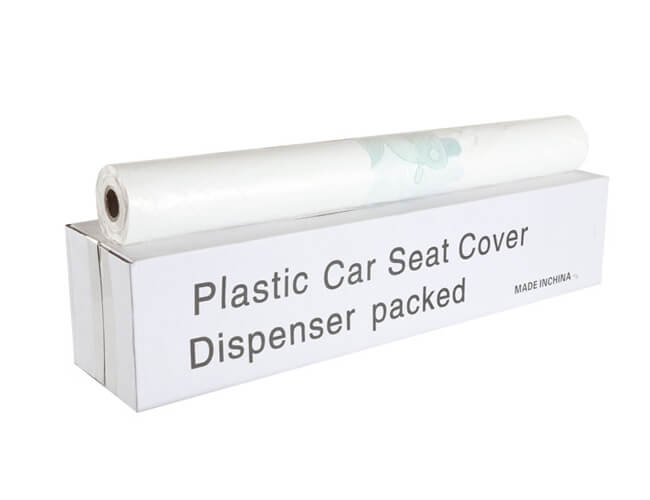
I use a simple written method because “easy tear” is too vague for purchasing. A clear sample plan lets me compare suppliers and catch roll-level problems before a bulk order enters daily service.
What Perforation Details Should I Put in the Specification?
A roll can match the requested material and piece count but still dispense badly when the tear line, winding direction, or repeat length is unclear.
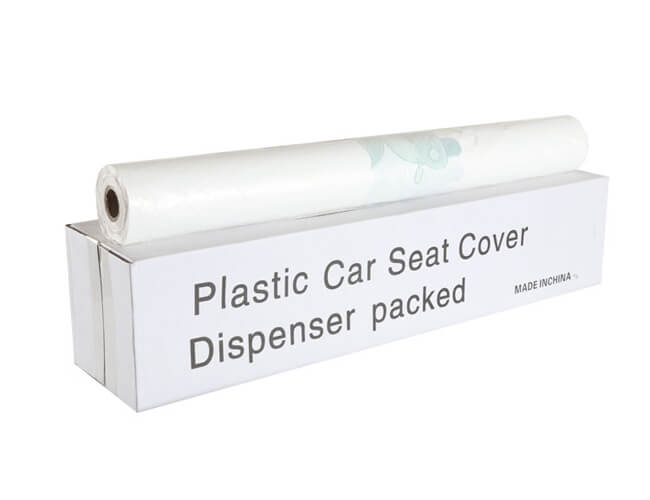
I specify one cover per repeat, the approved repeat length, perforation position, unwind direction, tear-line visibility, core and roll dimensions, and acceptable separation behavior. I also approve a finished reference roll.
I Define the Finished-Roll Result
I begin with the seat-cover dimensions already chosen for the target vehicles. I then define where one cover ends and the next begins. The perforation should sit in a repeatable position that does not cut into the usable pocket, seat-back area, or cushion area. I do not assume that the nominal cover length automatically defines the perforation repeat.
I also state the unwind direction. A roll can be wound with the pocket or printed side facing in a different direction. That detail affects how a technician identifies the leading edge and loads a wall or floor dispenser. I ask for a photo or diagram in the approved specification, but I make the finished physical roll the final reference.
I separate perforation performance from film thickness. A stronger film may need a different perforation balance, but I do not accept a weak tear line merely because the cover is thin. I want the line to remain intact during packing and transport, then separate cleanly during normal dispensing.
| Specification item | What I record | Why I record it |
|---|---|---|
| Repeat length | Approved distance from line to line | Keeps every cover usable |
| Line position | Location relative to the cover shape | Prevents cuts into the protective area |
| Unwind direction | Leading edge and pocket orientation | Supports fast dispenser loading |
| Perforation pattern | Hole and tie appearance from the approved sample | Creates a visual comparison point |
| Separation result | One cover releases without damage to the next | Controls waste at the service lane |
For a broader material and fit specification, I use the verified disposable car seat cover size and thickness guide. I keep this perforation specification focused on dispensing quality.
How Do I Run a Repeatable Tear-Off Test?
An informal pull can hide variation because hand position, pull angle, dispenser support, and roll tension change from one test to the next.
I test the roll in its intended dispensing direction, use the same grip area and pull motion, record each result, and inspect both separated edges. I include the first, middle, and later sections of the roll.

I Test the Product as It Will Be Used
I first condition the sample in a normal indoor area and note the approximate temperature. I mount the roll on the planned dispenser or on a stable test bar with similar support. I do not judge the roll only while it rests loosely on a table because the roll may rotate differently in service.
I expose the leading cover, identify the perforation, and pull from the same practical grip zone each time. I use a smooth motion that a technician can repeat. I record whether one cover releases, whether the tear follows the perforation, whether the next cover remains attached, and whether the usable cover gains a side split.
I repeat the test across several sections. The outer layers can behave differently after storage or carton pressure, while the middle layers can reveal winding tension or alignment changes. I also reverse the operator for part of the sample when practical. That check helps me separate a product problem from one person's pulling habit.
| Check | Pass evidence I look for | Warning sign I record |
|---|---|---|
| Leading-edge pickup | Edge is found without unfolding several covers | Technician touches or pulls the next cover |
| Line tracking | Tear follows the perforation | Tear runs into the cover body |
| Single-cover release | One piece separates | Two pieces release or remain connected |
| Next-cover condition | Next line and edge remain usable | Premature opening or stretched ties |
| Repeatability | Similar result across sampled positions | Result changes sharply within one roll |
I time the handling only as a local comparison between approved samples. I do not turn a small workshop trial into an unsupported universal performance claim.
Which Perforation Defects Should I Reject?
Small-looking perforation defects can create recurring waste when they repeat hundreds of times through multiple rolls and service locations.
I reject missing or wandering lines, premature separation, tears that enter the cover body, joined covers that require tools, and recurring damage to the next cover. I classify isolated handling marks separately.
I Separate Critical Patterns from Isolated Marks
I inspect the full width of each separated edge under good light. A wandering perforation can shorten one side of the cover or cut into a pocket. A partially missing line can force a technician to pull harder, which may stretch the film before it finally breaks. Excessively weak ties can open inside the carton or while the roll is being mounted.
I pay special attention to repeated defects. One damaged outer layer may come from carton handling, while the same edge split at several repeat positions points to the product or converting process. I photograph the roll label, carton code, test position, and both edges so the supplier can trace the pattern without guessing.
| Defect pattern | My purchasing decision | Reason |
|---|---|---|
| One superficial outer-layer mark | I isolate and investigate | Handling may be the cause |
| Repeated line drift | I reject the affected lot or hold it for review | Usable cover dimensions can change |
| Repeated body tear | I reject | Protection is damaged before use |
| Premature line opening in cartons | I reject | Stock can become exposed or tangled |
| Covers remain joined across samples | I reject or require corrective action | Tools and extra handling defeat roll dispensing |
I avoid cutting apart a failed roll before documenting it. The wound condition, leading edge, and defect position can explain more than a loose damaged cover. I also avoid accepting a supplier's loose sample as the only approval item. Perforation quality depends on the finished roll, not just the film sheet.
How Do I Control Perforation Quality Across a Bulk Order?
A perfect development sample does not protect a buyer when later cartons contain different winding, line placement, or tear behavior.
I approve a sealed reference roll, define carton-level sampling, compare early and later production, and keep lot records with photos. I link corrective action to repeated failure patterns, not to vague complaints.
I Build the Check into Ordering and Receiving
I start with a pre-production or order sample that uses the requested film, cover shape, perforation, core, winding, count, and packaging. I do not approve a hand-cut loose cover for a roll-quality decision. After approval, I retain the specification, images, and one reference roll when practical.
For receiving inspection, I select cartons from more than one position in the shipment and rolls from more than one carton. I record the carton and roll identity before testing. I then check repeat spacing on several consecutive sections and run the same tear-off method used during sample approval. The exact sample quantity depends on order size, risk, and the buyer's quality plan, so I write it into the purchase documents instead of inventing it after delivery.
| Control point | Record I keep | Decision supported |
|---|---|---|
| Sample approval | Signed specification and reference roll | Confirms the target result |
| Production review | Lot identity and finished-roll photos | Detects changes before shipment |
| Receiving sample | Carton positions, roll IDs, and outcomes | Measures shipment consistency |
| Complaint review | Defect position and edge photos | Separates handling from repeated defects |
| Reorder review | Previous result and any correction | Prevents the same failure from returning |
I use a raw-material selection process and do not use recycled production waste as substitute material. I also focus on stable quality, order quantity accuracy, and export-risk reduction. Those controls support consistency, but I still verify perforation on the finished roll.
The format decision remains separate. I use the verified comparison of rolled and folded disposable car seat covers when choosing packaging. For product options, I refer to the plastic car seat cover page.
I approve perforated seat-cover rolls only after the specification, repeatable tear test, defect limits, and bulk sampling plan produce the same usable one-cover result.