
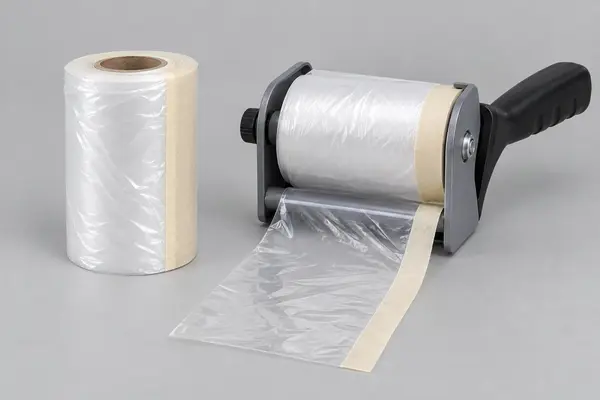
An automotive masking film roll can carry the right width on its label yet lose coverage at the edge. I check width consistency before releasing a bulk shipment.
I measure each sampled roll at the outer end, middle, and inner section, record the widest and narrowest readings, inspect edge damage, and compare the range with the written order tolerance.
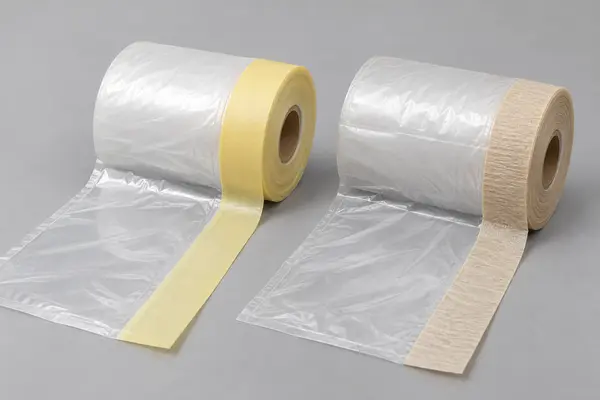
I treat width as usable coverage, not a single number printed on a carton. A narrow section can leave an exposed strip on a vehicle, while a ragged edge can create feeding and cutting problems. My process helps me separate dimensional variation from damage, winding shift, or a different fold measurement.
How do I define width for automotive masking film?
Width disputes start when the buyer and supplier measure different features. I define the measurement line before I approve a sample.
I define width as the usable unfolded distance between the two film edges, measured without stretching the web and excluding a damaged edge that cannot protect the vehicle.
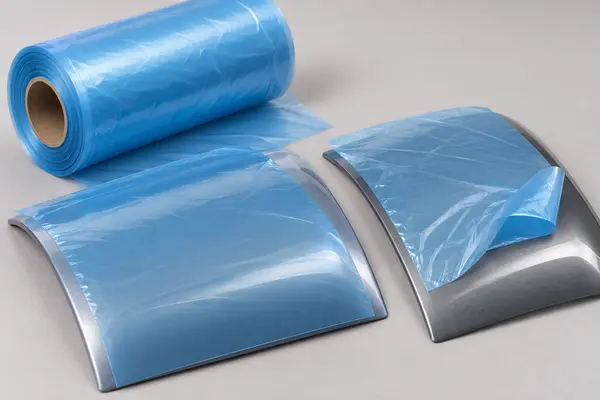
I separate nominal width from usable width
I write both values when necessary. Nominal width is the purchase target. Usable width is the portion that my technician can deploy after I remove torn, folded, or contaminated edge material.
| Measurement | My question | Why it matters |
|---|---|---|
| Nominal width | What width did I order? | Controls the commercial specification |
| Unfolded width | What does the sheet measure when opened? | Confirms coverage size |
| Usable width | How much clean film can I place? | Reflects real vehicle protection |
| Edge condition | Are both edges straight and intact? | Prevents leaks, tears, and skewed cuts |
Dive Deeper
I first confirm whether the supplier describes the film by folded width or unfolded width. Automotive masking film often arrives folded, so a carton label may show one dimension while the vehicle application uses another. I do not compare two quotes until both sellers state the same basis. I also record whether the film is supplied in a single fold, multiple fold, or a dispenser format. The fold can change how the operator finds the edge, but it should not silently change the agreed coverage.
I place the roll on a flat support and let the film relax without pulling it tight. Stretching the web can make a soft film look wider than it is during normal handling. I use a clean steel rule or tape measure with a straight reference and measure from edge to edge. If the edge is wavy, I record the shortest usable line and the cause of the wave. I do not call a torn edge a width tolerance issue until I have recorded the damage separately.
I retain the order drawing, approved sample, and measurement basis together. This prevents a supplier from comparing folded width to my unfolded inspection or measuring from a damaged corner. Clear definitions also help me review repeat orders without changing the method.
Where should I measure width along a film roll?
One measurement at the outside end can hide a taper or a narrow section deeper inside. I sample several roll positions to see whether width changes through the winding.
I measure near the outer end, at a middle section, and near the core after opening the film, then record the range and every visible edge defect instead of using only the average.
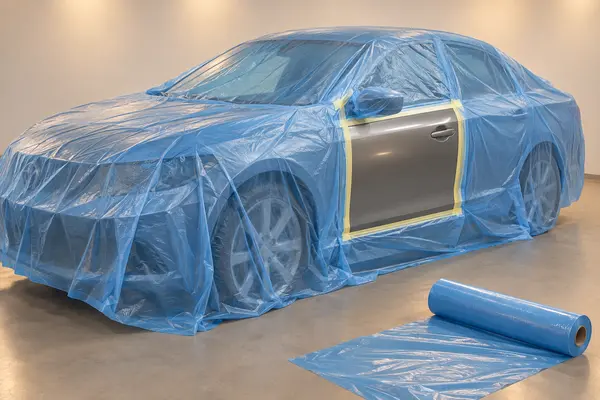
I use a repeatable three-position check
I label each position before measuring. I avoid pulling the film at different tensions because the result would not be comparable.
| Position | What I check | Record |
|---|---|---|
| Outer end | Shipping damage and starting width | Width, edge notes, photo |
| Middle section | Process stability through the roll | Width, fold, edge straightness |
| Near core | Winding pressure and inner-roll change | Width, tightness, damage |
Dive Deeper
I choose the exact distances from the ends in the purchase inspection plan. I do not invent one universal distance for every roll size. The key is that the same distances are used for every sampled roll in the lot. I measure at least two points across each opened section when the edge is uneven. If the roll has a long spiral edge or visible telescoping, I note whether the narrow reading comes from the film itself or from sideways winding.
I report minimum, maximum, and range. An average can look acceptable while one short section leaves the vehicle exposed. I also compare the reading with the intended cut. If my longest routine cut needs a specific coverage width, I evaluate the narrowest usable section against that job rather than only against the label.
I photograph the measuring rule, both edges, the lot code, and the opened fold. The photo shows whether I measured folded or unfolded film. I keep the roll flat during the check and avoid placing a boot, tool, or dirty glove on the protective surface. Those details make the inspection easier to repeat when a supplier asks for evidence.
How do edge damage and winding shift change usable width?
A roll can measure correctly at its center while a torn or shifted edge reduces actual protection. I classify these defects before deciding whether to accept, trim, or hold the lot.
I record edge tears, curled margins, telescoping, and loose winding separately, then remeasure the clean web to determine whether the remaining usable width still meets the order.
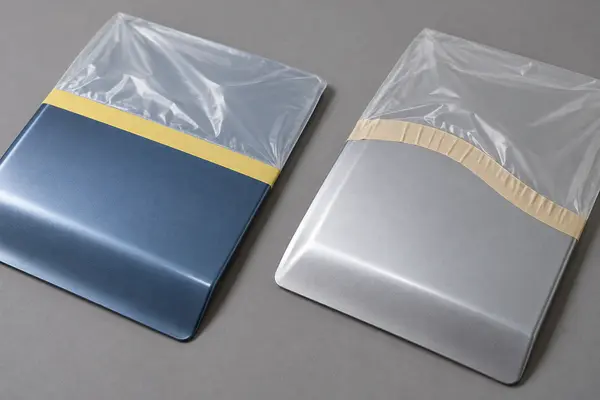
I do not hide a defect inside the tolerance number
I keep dimensional readings and condition findings on the same inspection sheet but in separate fields.
| Condition | My action | Acceptance question |
|---|---|---|
| Straight edge | Measure normally | Does the width stay in range? |
| Torn edge | Mark damaged length and remeasure | Is the remaining web usable? |
| Telescoped roll | Inspect edge alignment and feed | Does the roll stay square? |
| Loose winding | Feed a controlled section | Does tension change width or tracking? |
Dive Deeper
I inspect the roll edge under the same light used for normal receiving. A small nick may be harmless if it stays outside my working sheet, while a long tear can travel inward during dispensing. I mark the point where clean film ends and damaged film begins. I then measure from the clean edge, not from a flap that will immediately tear away.
I also watch the film while feeding it from the intended box or holder. A side-shifted roll can make one edge disappear into the carton wall, creating a narrower sheet than a table measurement suggests. I record the feed direction, the holder, and the length pulled. I do not accept a roll solely because it passes a static width check if it cannot feed without repeated edge contact.
If I find a repeated defect, I compare rolls from different cartons and pallet positions. I hold the lot when the pattern suggests a production or packing issue. I ask the supplier for the same photos and measurement method on the retained production sample. I do not turn a supplier’s replacement promise into an unsupported performance guarantee; I keep the agreed remedy in the purchase record.
How should I write width tolerance and release rules?
“Width about five meters” is not a useful receiving rule. I state the measurement basis, tolerance, sample plan, and remedy before production.
I specify nominal unfolded width, measurement method, allowed range, edge condition, sample positions, and the release action for rolls that fall outside the written rule.
I link the tolerance to the vehicle job
I choose the tolerance with the supplier after reviewing the film construction, fold, roll format, and shop application. I do not copy a tolerance from another product without checking the actual process.
| Order field | My written requirement |
|---|---|
| Width basis | Unfolded usable film, not folded label width |
| Tool | Steel rule or tape measure, identified in the checklist |
| Positions | Outer, middle, and near-core sections |
| Edge rule | No unrecorded tears, severe curl, or contaminated margins |
| Release | Accept, sort, replace, or hold according to recorded results |
Dive Deeper
I keep the width rule beside my roll-length and winding checks. A roll can have correct linear length but insufficient usable width, or correct width but unstable winding. Separate fields make the supplier response clearer. I also state whether edge trimming is allowed and who pays for material lost during sorting. If trimming changes my minimum coverage, I treat that as a quantity issue rather than silently accepting less protection.
I sample multiple cartons and retain the shortest measured roll when it represents the lot risk. I do not release a bulk order because one beautiful sample passed. I record operator, date, lot, carton, roll position, readings, photographs, and decision. That file becomes my repeat-order reference.
As a manufacturer, I use a raw-material selection process and do not use recycled production waste as a substitute material. I focus on stable quality, fair value, order quantity accuracy, export-risk reduction, experienced production staff, and flexible production lines for large orders. I still expect each buyer to approve the exact width basis and receiving method.
I release automotive masking film only when measured usable width, edge condition, and feed behavior match the written specification.