
A wool car mat can come out of its carton with a deep stripe. I check whether the pile recovers before I reject or release the shipment.
I unpack affected mats, photograph the marks, and let them rest flat for an agreed period. I release the lot only if the pile recovers to the approved appearance and the backing and edges remain sound. I hold mats with persistent marks or structural damage.
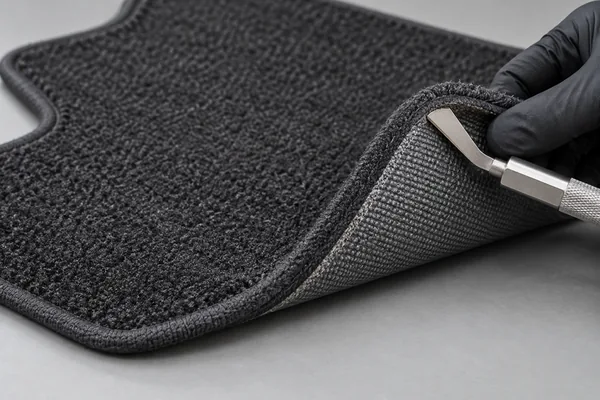
I make that decision before stock goes to the showroom or into customer orders. I need to tell a temporary pressure mark from a damaged mat, and I need enough evidence to tell the supplier where the pressure came from. I use the same method for sample approval and receiving.
How do I tell a pile impression from actual damage?
A dark stripe can look like a dye fault, and a flattened corner can hide a crease. I check the face and the back separately.
I look for a pattern that matches the packing contact, compare the pile in the same direction, and check the backing and binding before I start a recovery check.
What the shape of the mark tells me
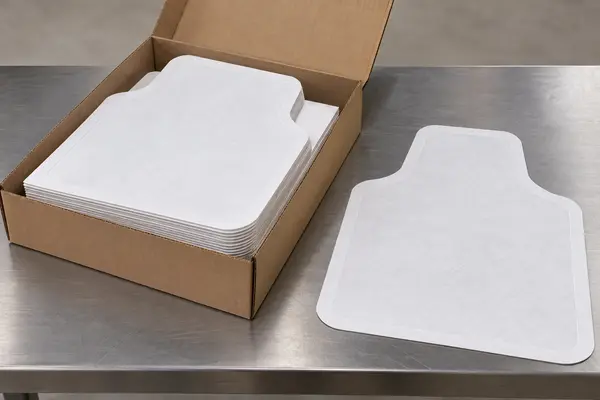
I start with the unopened carton. I take a photo of any crushed edge, displaced strap, or puncture and keep the carton label in view. After opening, I note what touched the affected area. A straight band may line up with a divider edge. A small round impression may sit under a fastener on the mat above. That match gives me a lead, but it does not prove when the mark formed. I keep the packaging until I can show both surfaces together.
I put the mat on a clean, flat bench with the pile facing up. I look along the fibers from the same direction on the affected area and the nearest unmarked area. I then turn the whole mat under the same light. A change with viewing angle is useful evidence of pile direction, but I do not use it to dismiss a dent I can still see or feel. I flip the mat and inspect the same area from below. If I find a sharp crease, a split, or backing separation, I record the structural fault on its own. I do not expect the pile to hide it after resting.
| What I see | What I do |
|---|---|
| A shallow impression that matches a packing contact | I photograph it and start the dry rest check. |
| A persistent ridge visible from both faces | I hold the mat and inspect the backing and edge. |
| A split backing or opened binding | I isolate the mat as damaged. |
| A light or dark patch with no visible dent | I compare pile direction and the approved shade reference before assigning a cause. |
How do I run a repeatable recovery check after unpacking?
I cannot compare one mat checked at opening with another checked after an overnight rest. I set the same timing and conditions for every sample.
I take baseline photos, lay the affected and reference mats flat without added weight, and compare them again at the agreed checkpoints in the same light and orientation.
The reference and the clock
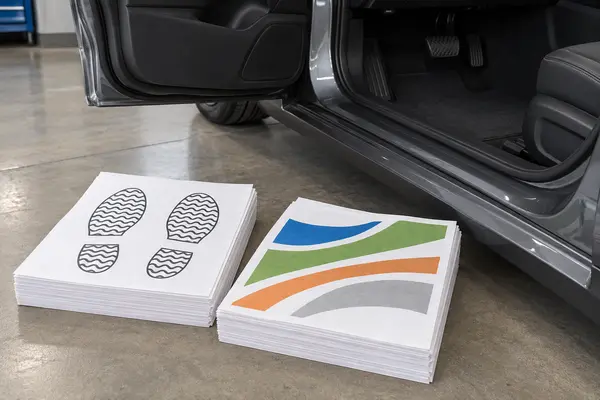
I agree on the rest period with the supplier before shipping. I choose a first checkpoint that my receiving team can manage and a final checkpoint that fits my release deadline. I set both from a packed approval sample, not from a universal recovery claim. I write down when I removed each mat from the carton. If I open more cartons later, I give those samples the same time out of the pack. I do not score them all at the same wall-clock time.
I compare the affected sample with an unmarked mat of the same construction and color when available. I place both mats on the same surface, with the pile running the same way. I photograph the same area from above and at a low angle. I keep the camera distance and lighting steady. If I want a size reference, I place a ruler next to the mark without pressing it into the pile. I start without steam, water, heat, or brushing. Any agreed dry grooming goes in a separate step with its own photo. That way I can tell what recovered on its own and what took extra handling.
How do I decide whether to release or hold the lot?
One recovered mat tells me little if the same mark appears across unopened cartons. I make the release decision from the pattern in my samples.
I sample more than one carton and stack position. I hold affected stock when marks remain outside the approved appearance at the final checkpoint or when I find backing or edge damage.
How I use the findings at receiving
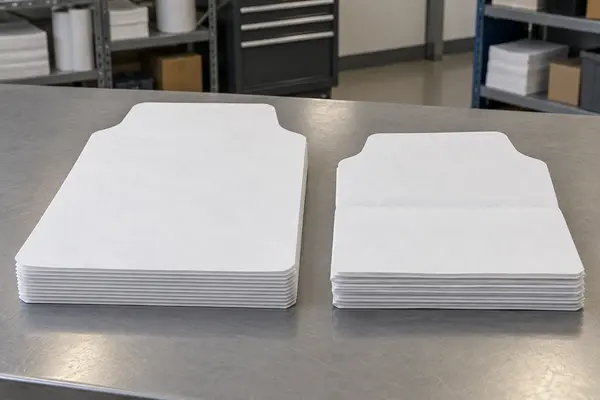
I select samples according to the agreed plan and write down each carton and stack position before I lift the mats out. I include mats from the top, middle, and bottom of selected packs if the pack has those layers. I compare cartons with visible shipping damage to intact cartons from the same lot. I keep those groups separate in my notes. A mark only under a crushed carton edge calls for a different investigation from the same line under every internal divider. If the first samples show a repeated pattern, I hold the affected stock and expand the inspection as agreed. I do not release a carton on the strength of a clean top mat alone.
I use the final photo and the retained approval sample to make a disposition. If the pile meets the agreed appearance and the mat has no structural fault, I record a pass for that sample. If the surface still shows a line beyond the approved visual limit, I hold the affected stock and ask the supplier to agree on sorting, replacement, or a revised pack trial. For the next order, I send the carton code, layer position, contact photos, and the timed before-and-after images. I ask for one finished set packed with the proposed change, then I repeat the same receiving check before I approve it.
I release wool car mats only after the agreed dry rest check. For recurring marks, I approve a revised packing sample before reordering.