
Static-heavy seat covers can cling together, slow technicians, attract loose dust, and turn a simple service-bay step into repeated handling.
I test anti-static handling by conditioning all samples together, separating and opening equal numbers, installing them on the same seats, and recording cling, multiple-cover pickup, unfolding time, and fit. I approve a physical reference sample and repeat the same method during receiving inspection.
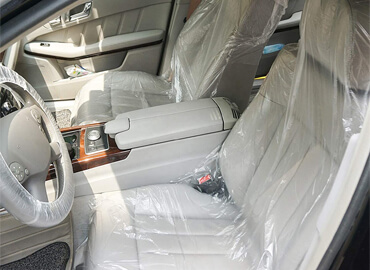
I do not treat “anti-static” as a complete specification. I turn the claim into a repeatable handling test.
What Does Anti-Static Handling Need to Solve?
A vague anti-static claim can hide the real problem. The film may still block, cling to clothing, or pull several covers from the pack.
I define anti-static handling by the work I need to complete: separate one cover, find its opening, unfold it, fit it, and remove it without avoidable delay or contamination.

I Define the Handling Problem Before I Compare Film
I start with the actual service-lane sequence. I want one cover to separate from the roll, box, or folded stack. I want the layers of that cover to open without excessive rubbing, shaking, or searching for the edge. I want the film to drape over the seat instead of clinging to my gloves, sleeves, nearby trim, or itself. I also want it to stay on the seat after installation, but I do not confuse useful seat grip with unwanted static cling.
Those are different functions. Layer structure, surface finish, fold pattern, humidity, packing pressure, and storage history can all affect handling. I therefore compare finished covers, not loose film swatches or an ingredient claim alone.
I separate ordinary handling performance from formal electrostatic-control requirements. My service-bay test shows whether a cover is practical to dispense and install. It does not prove compliance with an unstated electrostatic standard.
| Handling need | What I observe | What I avoid assuming |
|---|---|---|
| One-cover separation | One unit releases without lifting the next | “Anti-static” guarantees correct packing |
| Layer opening | I find and open the cover quickly | Thin film always opens more easily |
| Installation | Film stays manageable around the seat | Low cling means poor seat grip |
| Removal | Used film comes off in a controlled way | A clean sample predicts every carton |
How Should I Compare Anti-Static Seat-Cover Samples Fairly?
Static behavior can change with the room, handling, and packaging. Testing samples at different times can make a weak comparison look convincing.
I condition competing samples together, use the same operators and seats, and run equal opening and installation cycles in one recorded session.

I Use One Controlled Workflow for Every Sample
I place unopened samples in the same indoor area so they share one practical test environment. I record the date, approximate room conditions, pack format, material description, and sample code. I use a repeatable comparison that matches the dealership’s normal storage and use.
For roll stock, I test units from more than one position when the sample permits it. For folded stock, I test the top, middle, and lower part of the stack. Packing pressure can change how tightly film layers block together. I keep my hands or gloves consistent, and I do not use sprays, powders, or other aids unless those aids are part of the intended operating method.
I separate one cover, locate the opening, unfold it fully, and install it on the same representative seat. I then remove it and repeat the sequence. I use a common cloth seat and a common leather or synthetic-leather seat when both are present in the dealership’s vehicle mix. I compare the results with the same fold orientation and opening method.
I retain the dealership’s current approved cover when available. If a new sample is packed more loosely or uses a different size, I record that difference instead of crediting the result only to an anti-static claim.
| Test control | My method | Reason |
|---|---|---|
| Environment | I compare samples in the same session | I reduce weather and room-condition bias |
| Operator | I use the same trained people | I reduce technique differences |
| Pack position | I sample several positions | I expose compression or winding effects |
| Seat type | I use the same representative seats | I compare installation on equal surfaces |
| Repetitions | I run the same number of cycles | I avoid judging one lucky opening |
What Should I Record During Separation and Installation?
“Feels less static” is hard to purchase or inspect. Without a score sheet, my team may approve a sample for different reasons.
I record visible handling events: extra covers lifted, seconds to find the opening, self-cling points, contact with clothing, unfolding errors, installation time, and final coverage.
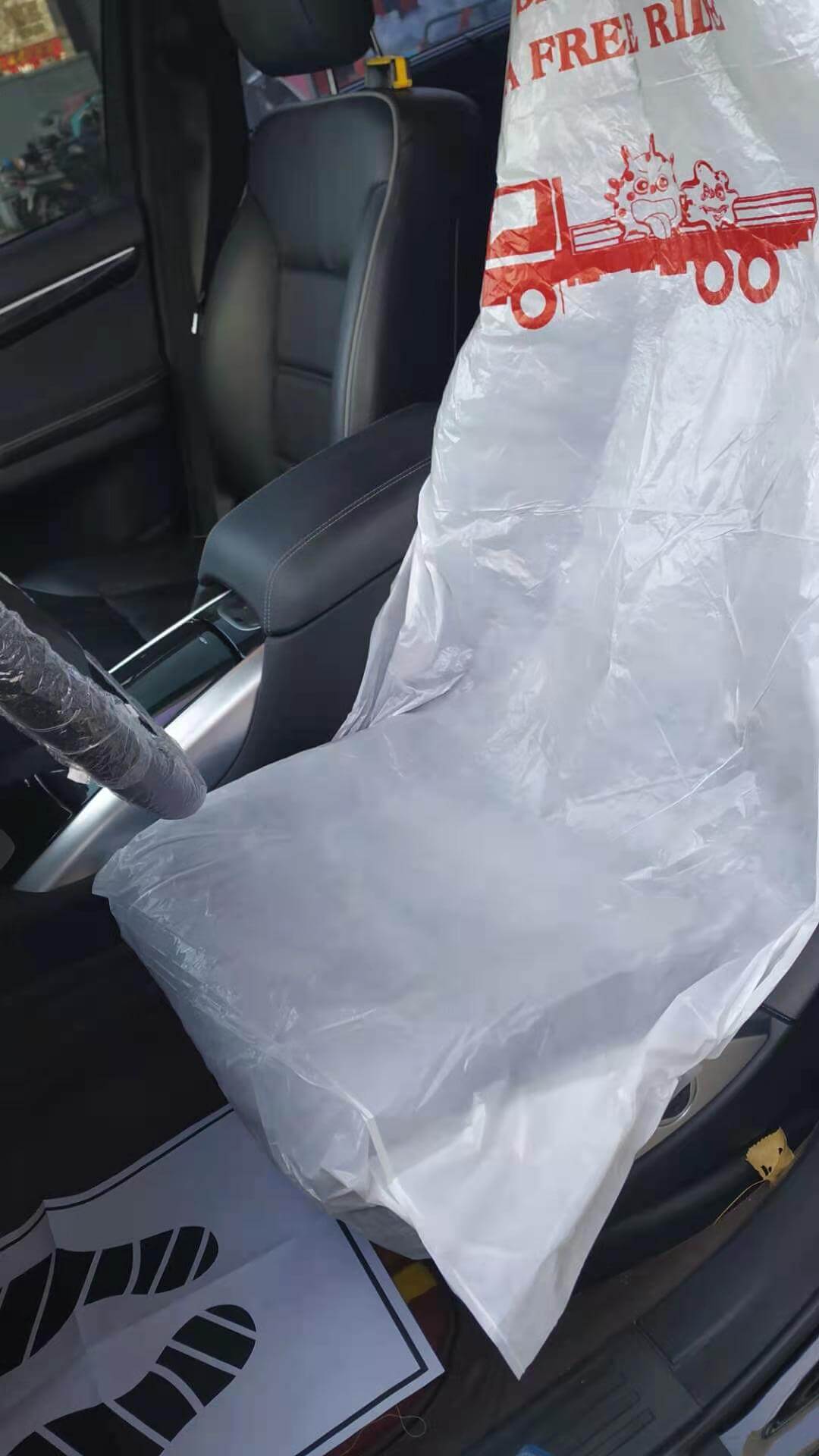
I Score Failures That Affect Usable Cost
I begin at the dispenser or pack, not after the cover is already open. I note whether pulling one unit lifts or drags the next unit. I count how often two covers remain attached. I record whether the film edge is easy to identify and whether the opening becomes hidden inside the fold.
During unfolding, I note repeated self-cling at the backrest, cushion, or pocket area. I also record whether the cover sticks to my gloves or sleeves enough to interrupt the sequence. I focus on repeated events that add handling time, create waste, or increase contamination risk.
During installation, I check that the cover still meets its main job. It must cover the intended backrest and cushion areas, fit the opening without a stress tear, and remain manageable during entry and exit. A product that opens easily but slides away from the seat is not a successful result. A cover that grips the seat well but takes excessive handling to separate also creates a cost.
I calculate usable cost from successful installations, not only the price per nominal piece. My record can stay simple, but it must be consistent.
| Observation | What I count or time | Possible purchasing cause to review |
|---|---|---|
| Multiple pickup | Extra units lifted per trial | Static, blocking, fold, or pack compression |
| Opening search | Time or repeated attempts | Fold orientation, surface cling, or poor edge access |
| Self-cling | Repeated stuck areas | Film surface, packing, or room conditions |
| Installation | Time and handling interruptions | Size, opening, construction, or static behavior |
| Completed fit | Coverage, movement, and damage | Finished dimensions, layers, seams, or material |
What Should I Put in the Purchase Order and Receiving Check?
A good sample can become an inconsistent reorder when the material, fold, pack pressure, or storage method changes without a controlled reference.
I lock the finished cover construction, dimensions, surface orientation, fold and pack format, sample code, test method, and acceptance record into the purchase order.
I Turn the Approved Sample Into a Repeat-Order Standard
I identify the exact product as a disposable plastic automotive seat cover. I state the material description, color, finished width and length, opening design, thickness reporting basis, layer construction, surface orientation, perforation when used, fold sequence, and pieces per roll, pack, and carton. I keep anti-static handling as a finished-product requirement tied to the approved sample and test record.
I do not accept “anti-static added” as the only evidence. An ingredient name does not show how the packed cover will behave. I ask the supplier to notify me before changing the material, additive system, surface treatment, thickness, fold, or packing pressure. I use a raw-material selection process and do not use recycled production waste as substitute material, but I still verify the finished cover.
At receiving, I select cartons from different accessible positions in the shipment. I confirm labels and counts, then repeat a shortened version of the approved separation, opening, and installation test. I compare the new goods with the retained reference rather than relying on memory. I also check the roll or folded packing method because dispensing can change the result.
When I prepare a new program, I review the available disposable plastic car seat cover formats first, then approve the exact construction and pack I will buy.
| Purchase field | What I record | Receiving action |
|---|---|---|
| Cover identity | Material, color, size, opening, layers | I compare labels and measurements |
| Handling reference | Approved sample and test sheet | I repeat the shortened workflow |
| Packing | Fold, orientation, count, compression control | I test removal from the final pack |
| Change control | Fields requiring new approval | I stop unapproved substitutions |
| Quantity | Pieces per unit and carton | I count by the agreed method |
I buy anti-static seat covers through a repeatable handling test, not a label. A controlled sample and receiving check protect service speed, cleanliness, and usable cost.