
Dirty customer carpets can turn a routine service visit into a complaint. A weak paper mat may tear, slide, or leak before the vehicle leaves the bay.
I recommend that dealerships specify size, paper strength, coating, grip, print, packing, and order tolerance before buying waterproof paper floor mats in bulk. I also advise testing samples with wet shoes and normal workshop movement before approving production.
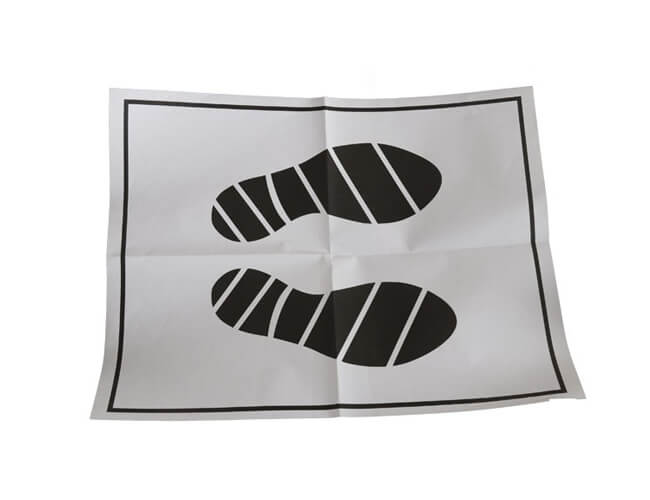
I use a simple specification sheet because the lowest unit price does not show the full cost. The right questions help me compare suppliers on equal terms and reduce avoidable problems after delivery.
What Size and Paper Strength Should I Specify?
A mat that looks large in a sample photo can still leave the carpet exposed. A thin sheet can also fold or tear during a short service job.
I choose the size from the vehicle mix and service task, then match paper strength to expected moisture and foot traffic. I request exact dimensions and material construction, not unclear labels such as “standard” or “heavy duty.”
I Start With the Actual Coverage Area
I first check where technicians and customers place their feet. A common disposable mat must cover the main contact area without reaching the pedals. The exact dimensions should appear on the quotation, sample label, carton mark, and final order. I do not accept “universal size” as the only description because suppliers can use that phrase for different dimensions.
I then divide the order by use case. A quick wash or inspection may need basic protection. A dealership delivery, body-shop repair, or wet-weather service may need more coverage and stronger construction. Larger is not always safer. A mat that reaches too far forward can bunch near the pedals. I ask the supplier to confirm the intended orientation and provide a flat sample for an in-vehicle check.
Paper weight also needs context. Suppliers may describe it in pounds, grams per square meter, or total finished weight. I ask for paper and coating values separately. I also test folding, scuffing, and tearing after light moisture exposure.
| Buying situation | My starting priority | What I confirm |
|---|---|---|
| Quick inspection or car wash | Efficient single-use coverage | Exact width, length, and dry tear resistance |
| Dealer service lane | Balanced strength and presentation | Coverage, print clarity, and moisture barrier |
| Body shop or longer repair | Higher resistance to movement | Wet strength, coating, grip, and edge behavior |
| Mixed vehicle fleet | Practical universal format | Fit checks in small cars, SUVs, and light trucks |
Should I Choose Single-Side or Double-Side Waterproof Coating?
Waterproof claims can hide important construction differences. A mat may resist moisture on one face while liquid still reaches the paper through the other face or edges.
I choose the coating by exposure risk. A single coated side may suit light work, while double-side coating gives added moisture protection. I always confirm which side faces up, how the surface grips, and whether the coating affects printing.
I Compare the Whole Layer Structure
I ask the supplier to describe every layer in order. The answer should identify the paper, the coated face or faces, the printed face, and any texture. I do not treat all polyethylene-coated paper as identical. Coating weight, bonding, surface texture, and paper quality can change how the mat behaves.
A top-side barrier helps stop wet footwear from soaking into the sheet. A bottom-side barrier can reduce moisture transfer toward the carpet. Yet a smooth bottom can also move more easily on some carpet surfaces. I therefore test moisture resistance and movement together. I place the sample in several vehicles, step in and out as a technician would, and check whether the corners curl or the sheet shifts.
I also ask whether the quoted weight includes the coating. A paper-only value and a total finished value are not directly comparable. I use a sample made with the intended construction for approval.
| Construction | Where I may use it | Main check before approval |
|---|---|---|
| Uncoated paper | Very dry, short indoor tasks | Tear resistance and actual need for moisture protection |
| One-side coated paper | Light service and controlled moisture | Coated-side direction and leak-through test |
| Double-side coated paper | Wetter or longer service conditions | Grip, curl, layer bonding, and print result |
| Textured coated paper | Service lanes needing added surface grip | Texture consistency and movement on carpet |
How Should I Evaluate Grip, Wet Strength, and Workshop Performance?
A waterproof mat can still fail if it slides, curls, or tears around a wet shoe. These failures create complaints and slow the service team.
I approve performance with a simple use test. I check dry and damp grip, wet tear strength, edge curl, ink transfer, and movement on several carpet types. I record the test method so every supplier faces the same review.
I Turn General Claims Into Repeatable Checks
I do not ask only, “Is this mat waterproof?” I define the situation. I apply a measured small amount of water to the printed face, wait for a set period, and inspect the back and edges. I then step on the mat with a clean damp work shoe and repeat normal entry and exit movements. This is not a formal laboratory test, but it gives my buying team a repeatable commercial check.
Next, I examine the paper around heel pressure points. I look for surface scuffing, separation between layers, holes, and fast loss of stiffness. I also inspect the vehicle carpet for transferred moisture, coating particles, or ink. I compare clean, dry carpet with short-pile and deeper-pile carpet because movement can change by surface.
I keep safety in view. A disposable paper mat should stay away from the accelerator, brake, and clutch areas. I reject a format that bunches forward during normal movement. I also give the service team clear placement instructions. Product construction alone cannot correct careless placement.
For a bulk program, I connect one signed reference sample to the purchase order. I request pre-shipment checks against the agreed size, construction, print, packing, and quantity.
| Check | My practical method | Rejection sign |
|---|---|---|
| Moisture barrier | Timed small-water exposure | Visible transfer to the back or carpet |
| Wet strength | Step and turn with a damp shoe | Rapid tearing or layer separation |
| Grip | Entry and exit on several carpets | Major sliding, folding, or pedal-area movement |
| Print stability | Rub dry and lightly damp surfaces | Ink transfer or unreadable branding |
| Edge behavior | Leave sample flat after use | Strong curling that reduces coverage |
What Printing, Packing, and Order Details Prevent Bulk Problems?
A good mat can still become a poor order when the logo prints badly, cartons arrive confusing, or quantities do not match each branch’s needs.
I lock the artwork, print position, color reference, pack count, carton marks, quantity tolerance, and approval process before production. I also separate sample approval from mass-production approval and confirm any printing plate charge in writing.
I Build a Purchase Specification That Operations Can Use
I begin with the final artwork file. I define the print area, logo size, orientation, text, contact details, and color target. I keep important text away from folds and heel areas. I request an artwork proof before a printing plate is made.
If custom artwork needs a printing plate, I ask the quotation to show that fee separately. I confirm whether an unchanged plate can be reused. I use an agreed color reference and sample because paper and coating can affect print color.
For packing, I state pieces per pack and carton, carton dimensions, gross weight, and carton marks. I may request branch-friendly pack counts. I also confirm flat or folded packing because folds can slow placement.
My final order includes a quantity tolerance and counting method. I use a raw-material selection process and do not use recycled production waste as substitute material. I put required material rules into the written specification. Experienced staff and flexible production lines can support larger orders, while clear documents help reduce export and receiving risks.
| Specification field | What I write in the order | Why it matters |
|---|---|---|
| Artwork | Approved file, size, position, orientation, color reference | Prevents logo and message errors |
| Printing cost | Unit print cost and separate plate fee | Clarifies first and repeat-order costs |
| Packing | Pieces per pack and carton, flat or folded | Supports warehouse and branch handling |
| Carton marks | Product code, quantity, destination mark | Reduces receiving mistakes |
| Quantity control | Ordered amount, tolerance, counting method | Makes shortage or overage handling clear |
| Approval | Named reference sample and signed specification | Gives production and inspection one target |
I can review available constructions on our car paper floor mats page before preparing a quotation. I still recommend that every buyer request a specification sheet and a physical sample that matches the planned order.
I buy paper floor mats with a written, tested specification. Clear size, coating, grip, printing, and packing details protect service quality and repeat-order value.