
A plastic cover can look large enough in a listing but still tear, expose the lower body, or fail in the paint area. Bulk mistakes repeat across every vehicle.
I specify disposable plastic car covers by intended use, finished size, film thickness, material construction, opening design, identification features, roll count, and test method. I also separate dust covers from paintable masking film because these products solve different body-shop problems.
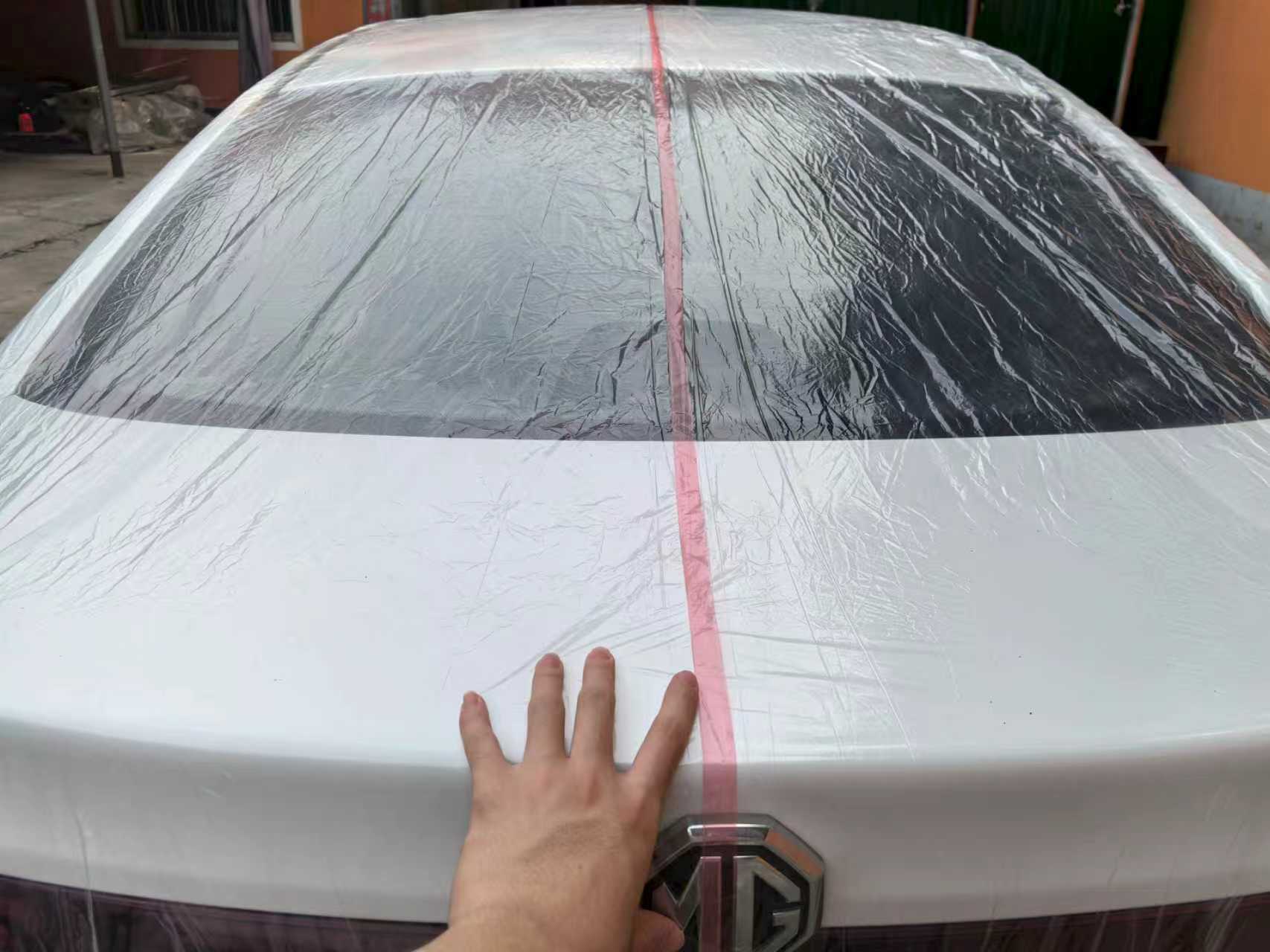
I compare the complete working result, not only the cost per cover. A precise purchase sheet helps me protect vehicles, reduce handling time, and receive the same construction on repeat orders.
Is the Cover for Dust Protection or Paint Masking?
Buying the wrong film creates an immediate problem. A dust cover may not control overspray as expected, while masking film may not suit storage or full enclosure.
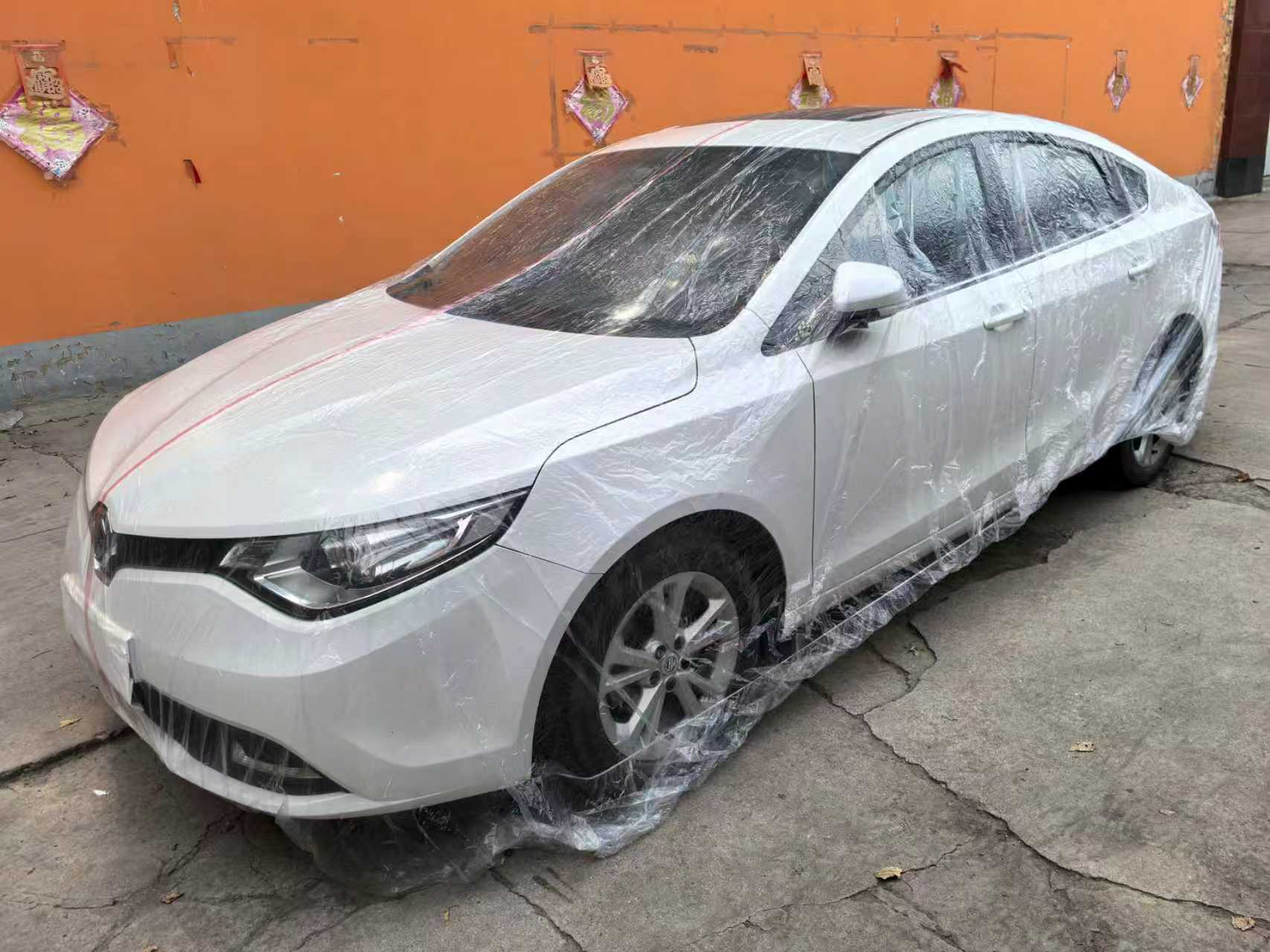
I define the job before I request a quotation. I use disposable car covers for dust, dirt, and temporary workshop protection. I specify treated automotive masking film separately when paint adhesion, cut-out masking, or overspray control is required.
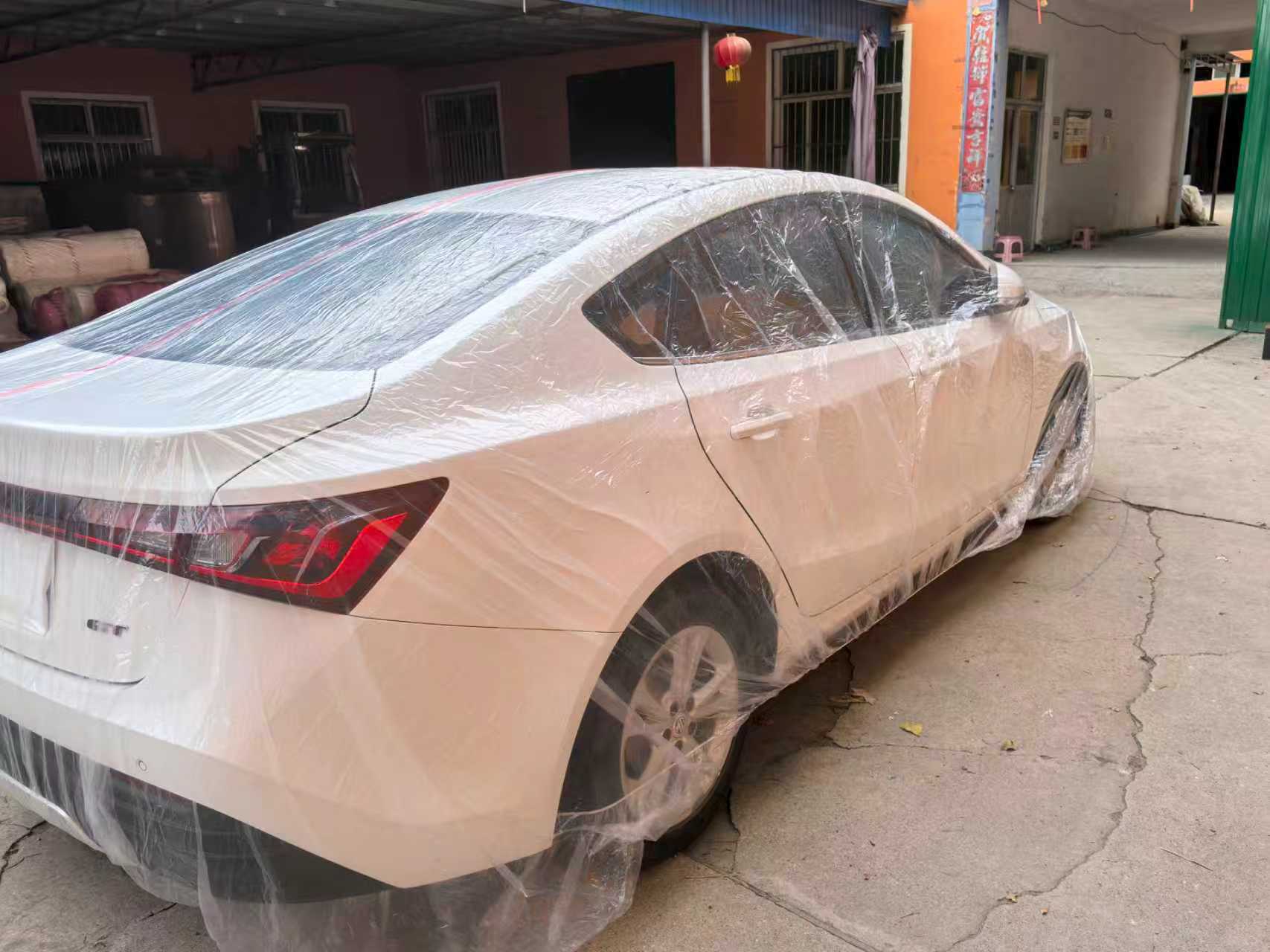
I ask the buyer where the vehicle will be, how long it will stay covered, and whether paint will be sprayed nearby. A loose full-vehicle cover may suit short indoor storage, workshop dust, or temporary protection between service stages. It may come as a preformed cover, bag-style cover, or individual sheet with an opening and optional elastic edge.
Automotive masking film serves a different process. The technician normally unfolds film over the vehicle, cuts around the repair area, and tapes the edge. For this use, I ask whether the film is treated so overspray can hold to the surface instead of flaking. I do not claim that every plastic cover is paintable or suitable inside a spray booth.
This separation protects the quotation. A supplier can offer a very low price by quoting a thin dust cover when the buyer actually needs treated masking film. I place the intended use at the top of the specification so material, size, treatment, and packing decisions follow the same purpose.
| Intended job | Product I specify | Key question |
|---|---|---|
| Indoor dust protection | Preformed disposable plastic car cover | Does it fully cover the target vehicles? |
| Short workshop holding | Temporary full-vehicle cover | How will it stay in place? |
| Paint-area masking | Treated automotive masking film | Is the surface designed to hold overspray? |
| Long outdoor storage | Purpose-built weather cover | What exposure has the product been designed for? |
What Size and Thickness Should I Put on the Purchase Order?
Terms such as universal, large, and heavy duty do not define coverage. Two suppliers can use the same words for different dimensions and film constructions.
I write the finished length, total width or opening width, cover shape, and thickness unit on the order. I test coverage on representative sedans, SUVs, vans, or pickups and compare thickness only after confirming how it was measured.
I Measure the Cover as the User Receives It
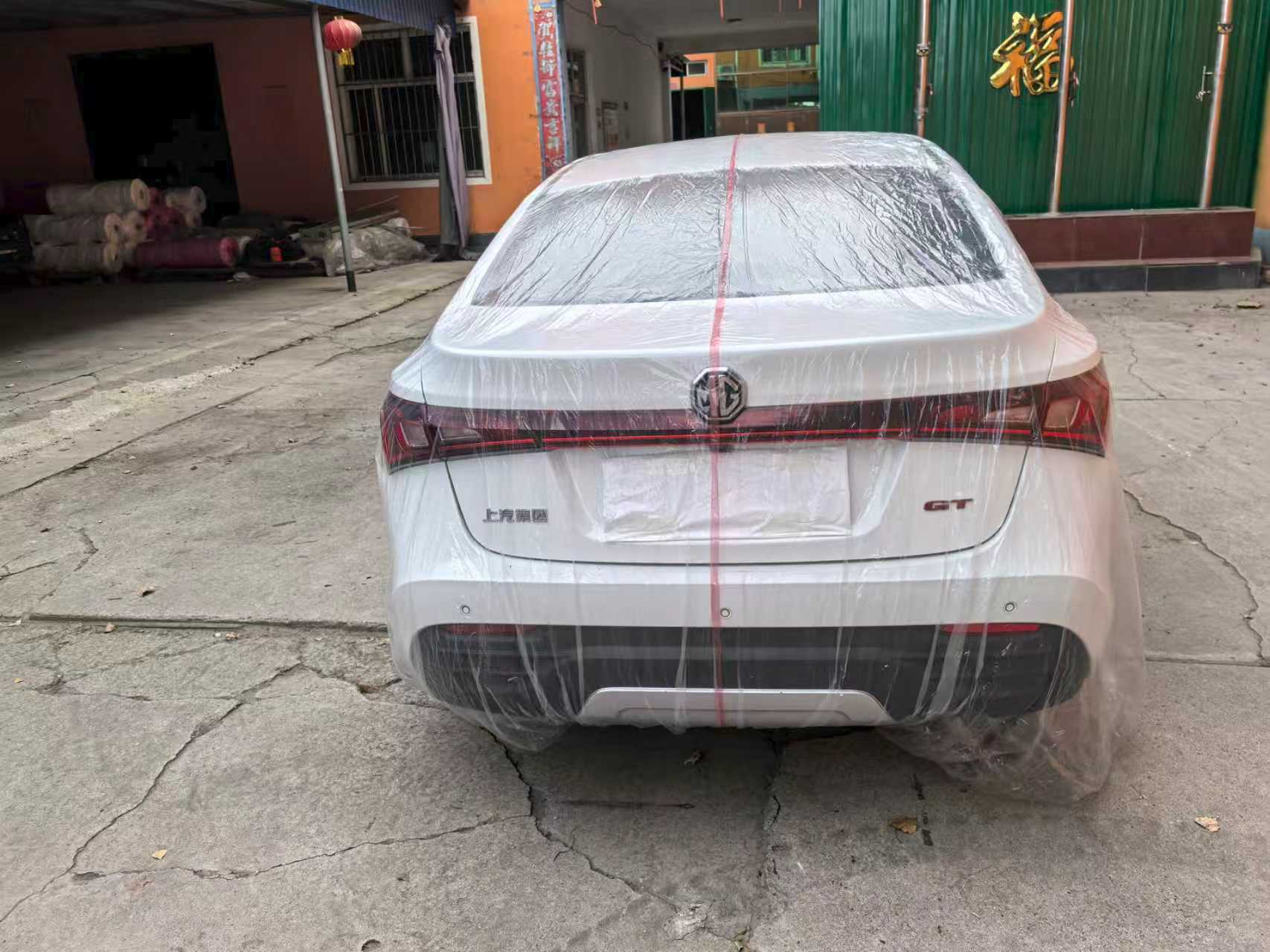
I begin with finished dimensions. For a preformed cover, I ask whether the width is a flat measurement, full opening circumference, or combined height-and-width value. I request a simple dimension drawing because one number can be interpreted in several ways. I also confirm which side is the opening and whether the cover has a formed end, bottom seam, or elastic edge.
I place the sample over the largest target vehicle. I check the roof, mirrors, bumpers, lower doors, and wheels. Tight film can tear at body edges, while excessive loose film can create snag and trip risks.
Thickness needs a unit. Suppliers may use microns, millimeters, or mils, and “mil” means one-thousandth of an inch. I record the unit exactly and ask for the nominal value plus the agreed tolerance. I do not compare a micron number with a mil number without converting it.
I also avoid treating thickness as the only measure of strength. Resin choice, layer structure, film uniformity, seams, folding, and sharp-edge contact affect performance. I test a sample for normal pulling, unfolding, and installation. I inspect thin spots and seam failure instead of assuming the thickest quotation always gives the best value.
| Specification field | What I record | Why it matters |
|---|---|---|
| Finished size | Exact dimensions with a drawing | Prevents unclear universal-size claims |
| Vehicle range | Largest and smallest test vehicles | Confirms practical coverage |
| Thickness | Number, unit, and tolerance | Makes quotations comparable |
| Construction | Single layer or stated multilayer form | Adds context beyond thickness |
| Opening and seam | Position, shape, and closure | Controls installation and tear points |
Which Design Details Make Installation Faster and Safer?
Technicians lose time when a clear cover has no obvious center or opening. They may rotate it, drag it, or pull against mirrors before finding the correct direction.
I evaluate center identification, opening location, dispensing, surface slip, static behavior, seams, and edge design. A colored centerline can help alignment, but I still test visibility and placement on the actual folded cover.
I Review the Installation From Carton to Vehicle
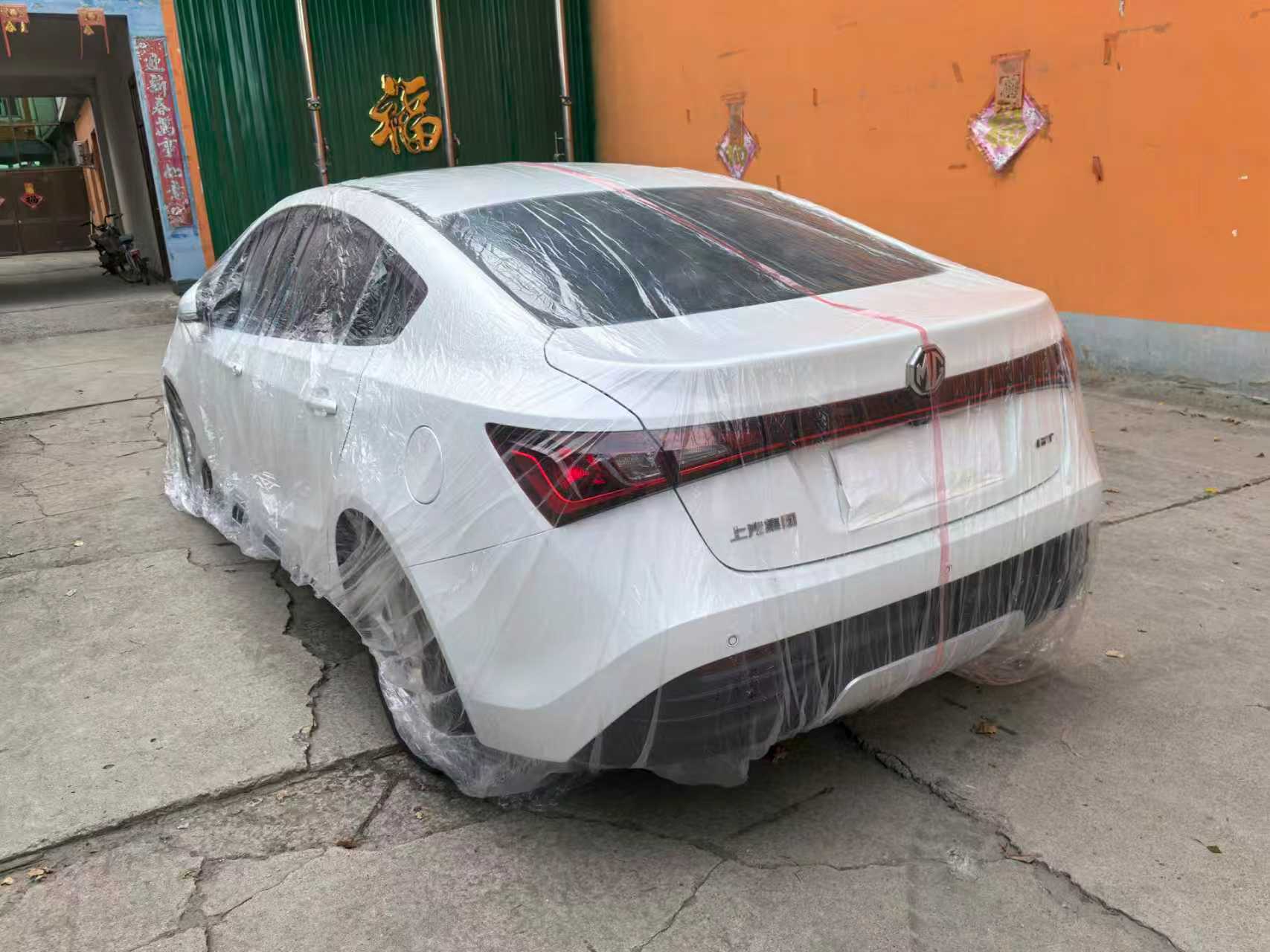
I ask one person to remove a cover from the pack and install it without extra explanation. I watch where confusion starts. A center stripe or printed center mark can show the roof center and help the user align the cover before unfolding both sides. I specify the stripe color, width, position, and continuity if this feature is part of the order.
I check whether the centerline transfers color, creates a hard area, or disappears through the folds. The feature should guide placement without changing the intended use.
Next, I inspect the fold pattern. A clean, repeatable fold helps technicians find the opening and avoid dragging film across a dirty floor. I record the preferred orientation in the pack. If covers come on a roll, I test perforation separation and check that tearing one cover does not damage the next.
I keep workshop safety in the method. I remove sharp objects from the vehicle, keep film away from hot parts, and avoid covering a running vehicle unless the product and process specifically allow it. I do not let loose plastic enter fans, belts, exhaust areas, or walking routes. A simple installation guide can reduce misuse for dealership and body-shop customers.
| Design detail | My acceptance check | Common problem |
|---|---|---|
| Center stripe or mark | Visible and centered after unfolding | Misalignment or color transfer |
| Fold pattern | Opening is easy to find | Film dragged on the floor |
| Perforation | One cover separates cleanly | Next cover tears or stretches |
| Seam | Holds during normal installation | Split at corners or formed ends |
| Edge or elastic | Secures without damaging paint | Excess tension or poor hold |
How Do I Control Roll Packing, Printing, and Bulk Quality?
A correct sample can still become a poor shipment when rolls contain fewer covers, perforations vary, or cartons mix sizes. These faults appear late in receiving.
I specify covers per roll, rolls per carton, individual or roll packing, core details, carton marks, quantity tolerance, and inspection points. I link a signed sample and approved artwork to the purchase order.
I Turn Packing Details Into a Repeat-Order Standard
I decide whether the user needs individual bags, folded stacks, or perforated rolls. Individual packing supports clean distribution and retail-style handling. Rolls can improve dispensing in busy shops, but roll tension, perforation, core strength, and count accuracy matter. I test covers from the beginning, middle, and end of a sample roll.
I list the exact number of covers per roll and rolls per carton. I define how partial rolls, count tolerance, and damaged perforations will be handled. I also record carton dimensions, gross weight, item code, size, thickness, and destination mark. Clear carton identification prevents similar cover sizes from being mixed in a distributor warehouse.
For printing, I approve the centerline, logo, instructions, position, and color as one artwork file. I fold and rub a printed sample to check transfer or cracking.
For quality control, I check material, dimensions, thickness, seam, fold, perforation, print, packing, and quantity. I use a raw-material selection process and do not use recycled production waste as substitute material. I focus on stable quality, fair value, and quantity accuracy. Experienced staff and flexible lines can support larger orders, while clear documents help reduce export and receiving risks.
| Order control | What I approve | Receiving benefit |
|---|---|---|
| Pack format | Individual, stack, or roll | Matches the user’s workflow |
| Roll build | Count, core, tension, and perforation | Reduces dispensing failures |
| Artwork | Centerline, logo, instructions, color | Prevents print confusion |
| Carton mark | Item code, size, thickness, quantity | Reduces warehouse mix-ups |
| Inspection | Sample-linked test list and tolerance | Creates one standard for both sides |
If the job requires treated paint sheeting rather than a temporary dust cover, I compare the options on our automotive masking film page. I still test the exact construction planned for the order.
I buy disposable car covers from a use-based specification. Clear purpose, dimensions, film construction, installation features, and packing controls protect both workshop efficiency and repeat orders.