
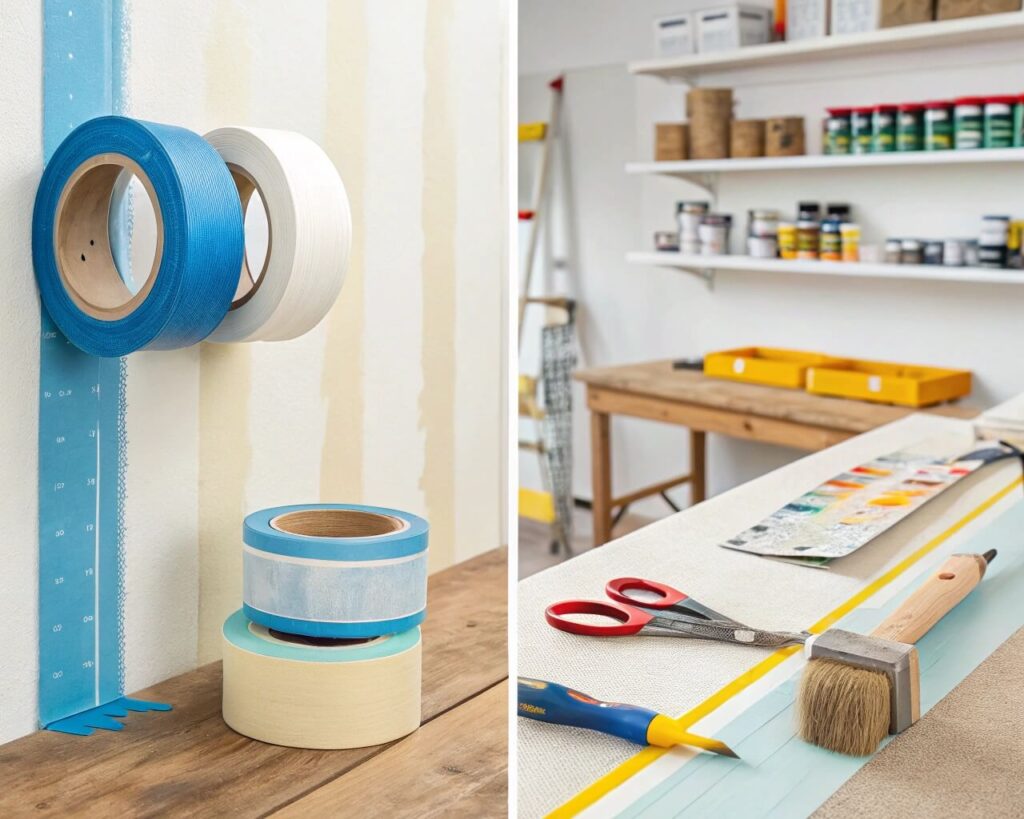
Struggling with messy paint edges? Avoid ruined surfaces. Discover the right tape solutions now.
Pick painter’s tape for crisp lines masking can’t provide. Use it on freshly painted surfaces instead of general tape to prevent residue and bleeding—especially vital for water-based paints demanding clean edges. Choose based on surface safety needs.
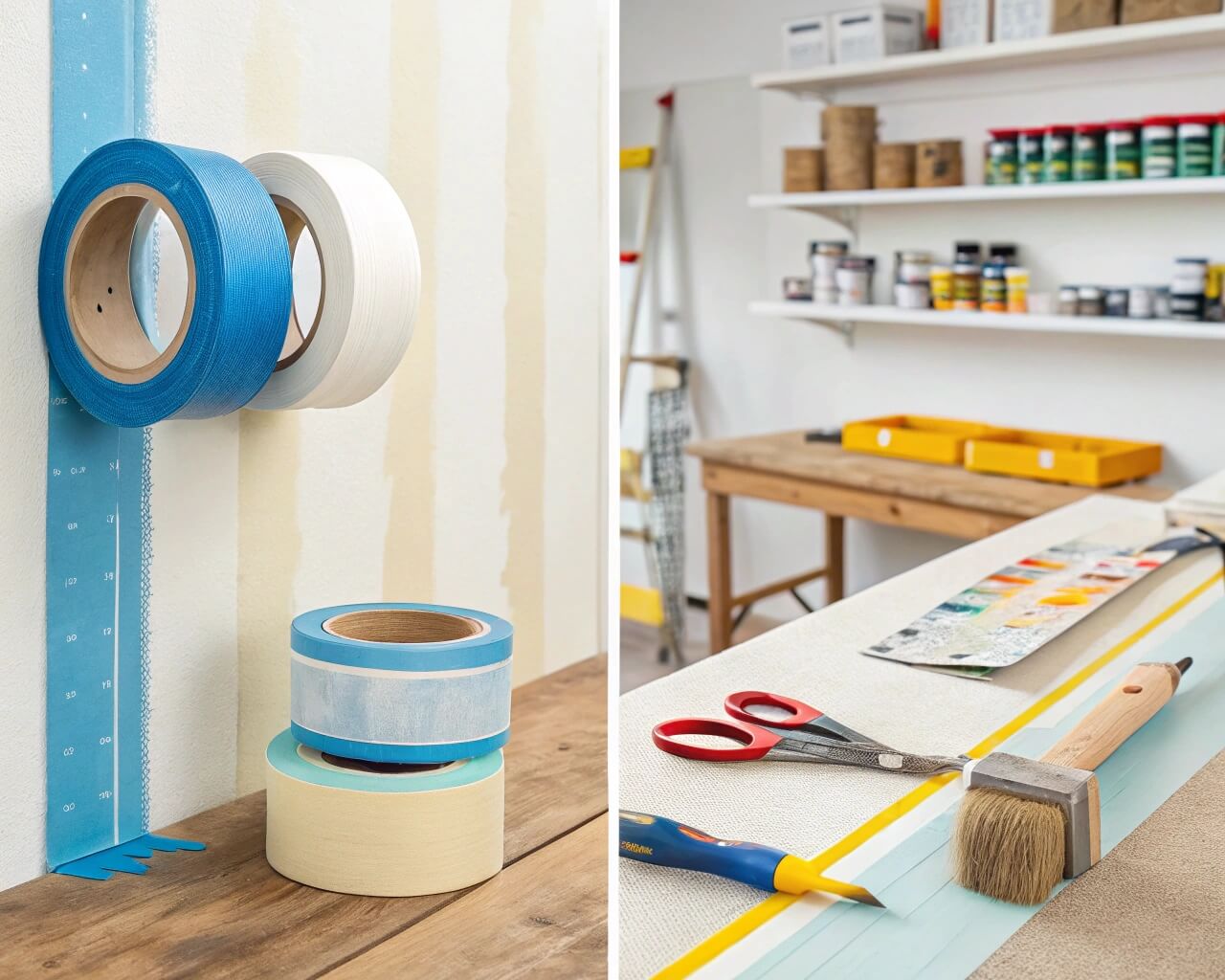
![painter-s-tape-vs-masking-tape-applications]
Confused by tape types? I’ve seen projects ruined by wrong choices. With premium materials like ours, understand why each tape fits specific scenarios.
Should I use painters tape or masking tape?
Dreading paint bleeds? Don’t risk your project. Decide with confidence.
Painter’s tape ensures flawless indoor/outdoor lines without residue. Masking tape works better for securing films or temporary fixes on non-sensitive surfaces. Select painter’s tape when finish quality matters most.
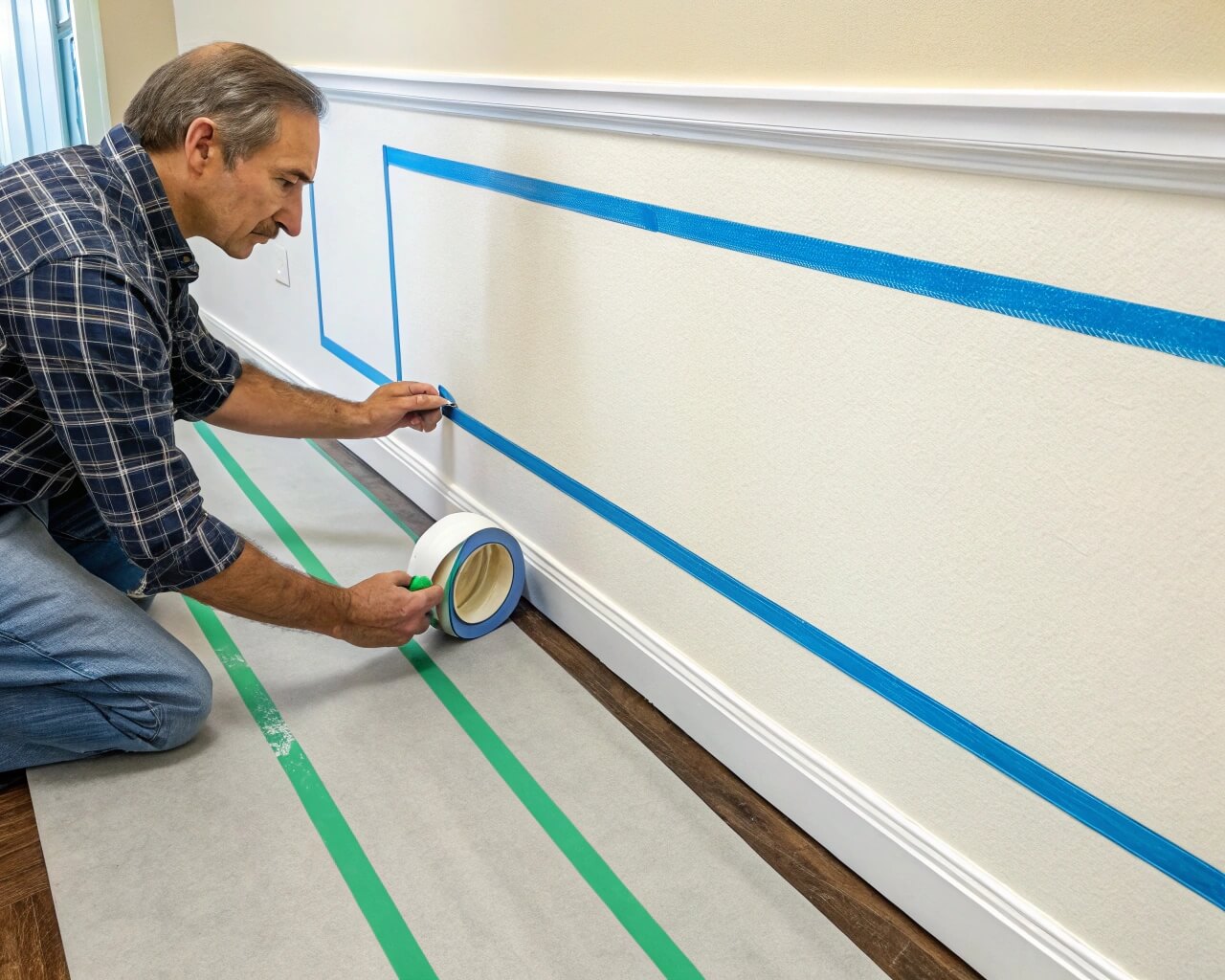
![painters-tape-precision-application]
I use painter’s tape for critical edges and reserve masking tape for non-paint tasks.
Critical Differences Breakdown
| Feature | Painter’s Tape | Masking Tape |
|---|---|---|
| Paint Lines | Razor-sharp, no bleeding | Often bleeds at edges |
| Residue Risk | Zero residue removal | Leaves sticky residue |
| Surface Safety | Safe on fresh paint | Risks damaging finishes |
| Best For | Perfect paint barriers | Film anchoring/fast fixes |
| Cost & Performance Insights |
|---|
| – Painter’s tape costs 25-30% more but prevents rework time |
| – Masking tape grips stronger but can rip paint on removal |
| – Blue/green tapes give visual contrast against most walls |
Professional results demand tape matching surface needs. Painter’s tape has water-repellent treatment resisting edge lift—masking tape’s high tack jeopardizes delicate projects. My team pairs automotive masking film with general tape only on plastic guards because the adhesive reacts poorly on painted metal.
How soon after painting can you use masking tape?
Panicking about tape damage? Timing prevents disasters.
Apply masking tape after 24+ hours of curing time. Fresh paint needs hardening to withstand tape adhesion. Painter’s tape sticks reliably without harm once paint feels dry to touch—usually within 2 hours.
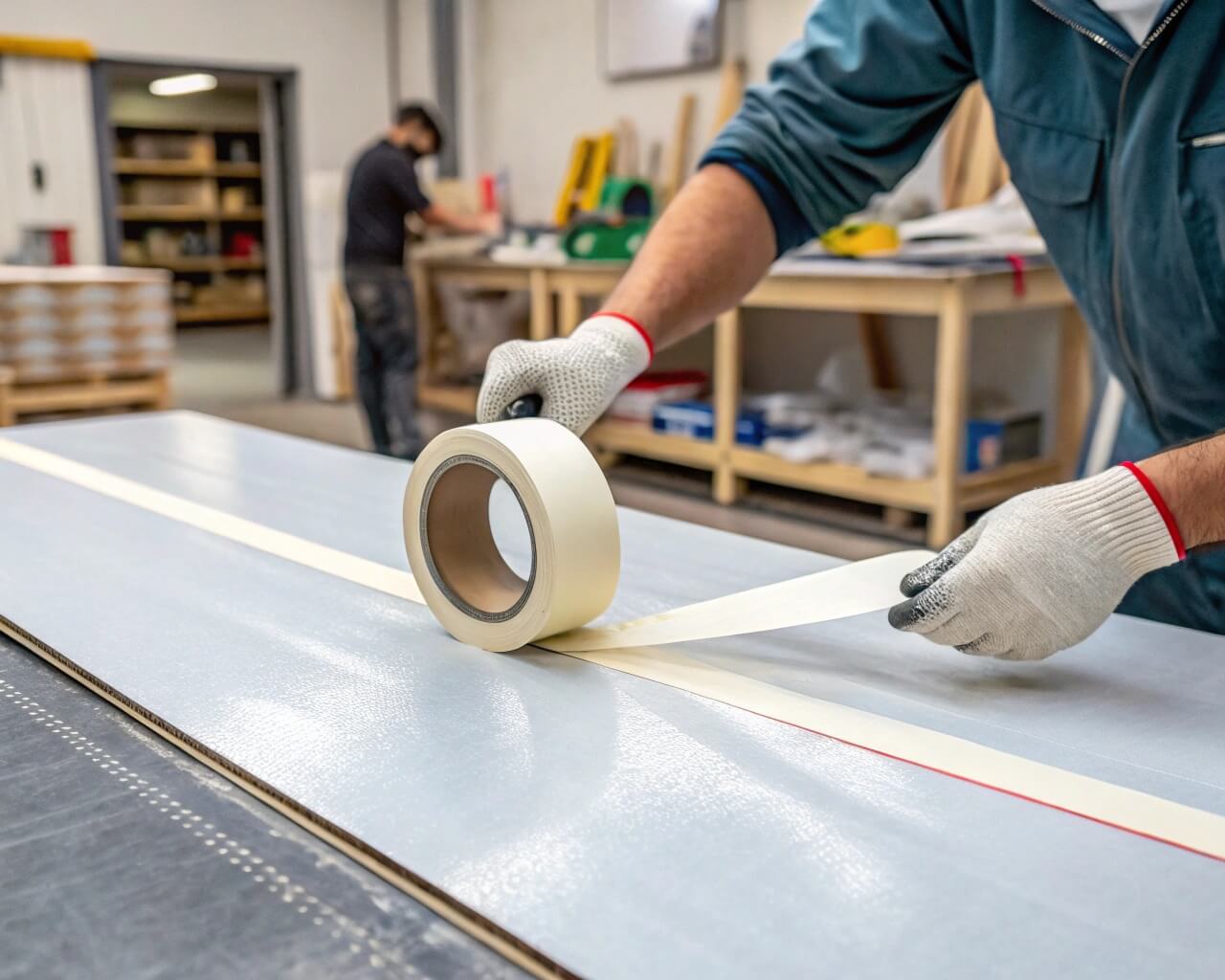
![masking-tape-application-timing]
I learned this through years of paint tests in our factory.
Curing Time Guidelines
Surface matters for tape selection:
Temperature Impacts
- Under 20°C: Wait 36+ hours before taping
- 20-25°C: Safe removal after 14-18 hours
- Above 25°C: Minimum 8 hour wait
Humidity Factors
High humidity extends drying by up to 2x. Quick tape application risks peeling cured layers completely off. Unlike our plastic seat covers that shield instantly, tapes require strategic timing. On automotive masking films, we only use low-tack adhesives since factory paints cure slower.
How do you apply painters tape perfectly?
Frustrated by wavy edges? Master application steps.
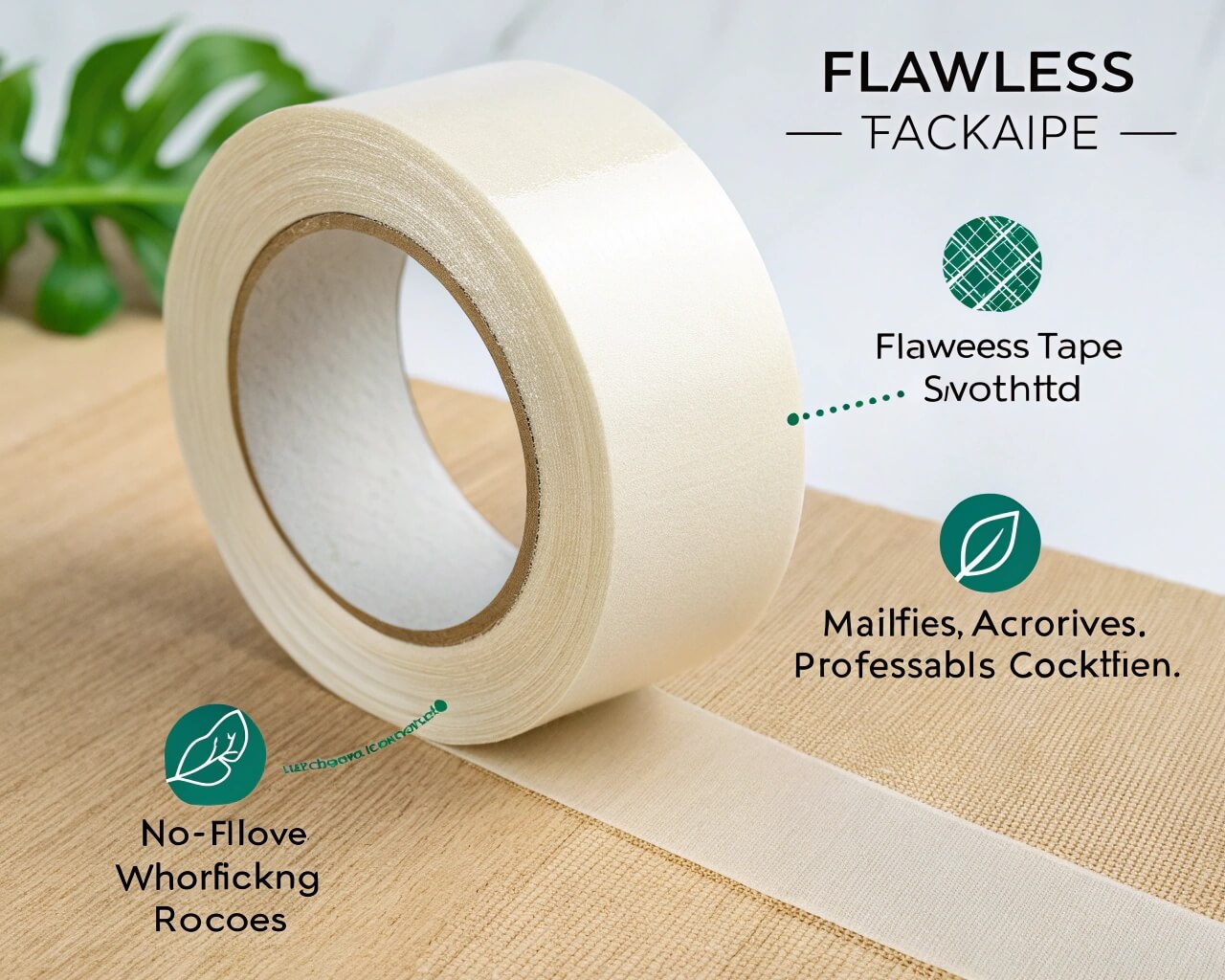
Press tape firmly using a putty knife and never stretch it. Seal edges with paint by applying base coat under tape first. Remove at 45-degree angle when paint is dry but not fully cured.
![flawless-tape-application-technique]
I train staff on tape techniques that mirror our seat cover precision.
Application Checklist
Prep Stage
- Clean dust/grease with rubbing alcohol
- Dry surface completely to avoid bubbles
- Apply before priming when possible
Execution Tips
- Burnish edges with plastic card (not metal!)
- Overlap sections by 5mm to avoid gaps
- Label tape sides facing paint versus wall
Peeling prematurely causes tearing—wait until paint loses wet shine. Our masking film uses similar layered wrapping logic: wrinkles cause leaks like puckered tape causes bleeds. Use 7-day tape for projects requiring longer cure periods.
Does masking tape leave marks?
Finding sticky ghosts? Solve residue nightmares.
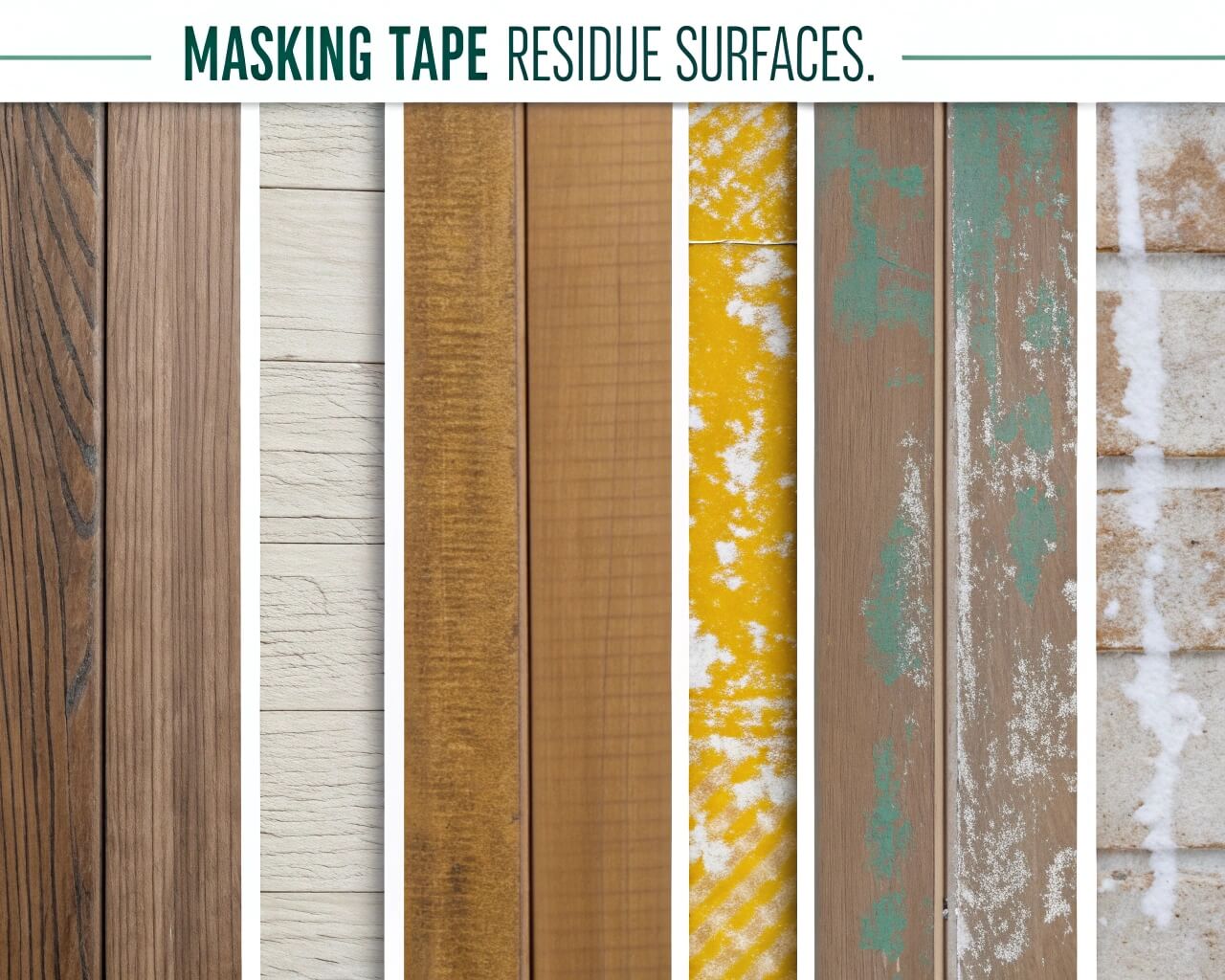
Standard masking tape often leaves gummy marks requiring cleaning. Painter’s tape avoids residue through precise adhesive formulation. Low-stick versions minimize but not eliminate residue risks.
![masking-tape-residue-comparison]
I’ve tested 43 adhesives to eliminate this issue in our products.
Residue Preventative Steps
Three key solutions exist:
Tape Removal Approach
- Peel slowly at low angle
- Use heat gun for stubborn tape (below 60°C)
- Never peel upward—tears surface layers
Residue Recovery Steps
- Rub residue with white vinegar-soaked cloth
- Repeat using rubbing alcohol
- Rinse with water before repainting
Our quality protocol mirrors this diligence and avoids recycled materials causing sticky failures:
| Material Grade | Residue Occurrence Rate | Use Recommendation |
|---|---|---|
| Premier Artist Tape | 0% | Delicate finishes |
| Industrial Masking | 30%+ | Machinery/rough surfaces |
| Recycled Material | 85%+ | Never for painted areas |
Masking film adhesive avoids residue by design—tapes require deliberate choices.
Conclusion
Choose Painter’s tape for clean paint lines and masking tape for rough tasks. Use timely applications and proven techniques for perfect results.